
Best Betting Sites with Live Streaming in Great Britain
 Available in US
A football match ticks past the hour mark and the price of the next goal shifts by the second. A horse race loads behind a wall of text telling you a £1 bet is required to watch. A betting exchange shows the same race from a feed you don’t have to fund first. The streaming service, in other words, is not the same product twice. It is the bookmaker’s wagering threshold, its market depth, its in-play engine and its licence register, all sitting behind one player.
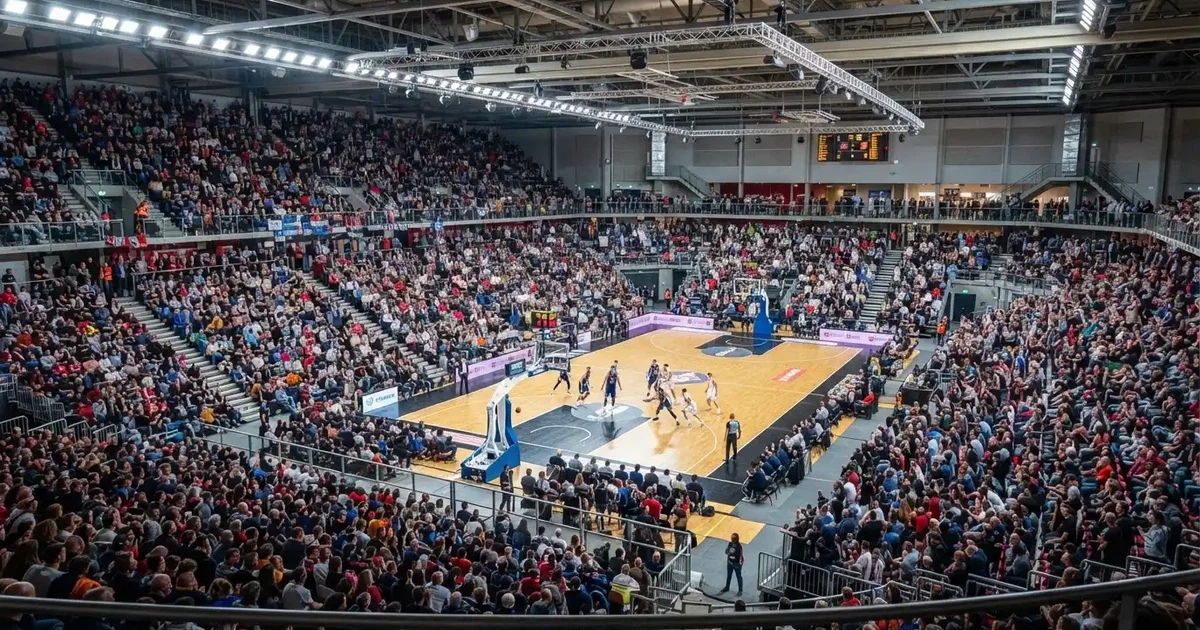
This guide is a side-by-side of ten UK-licensed operators that stream from within their apps and sites, told from the angle of what each one costs the bettor: the qualifying bet, the account status the stream requires, the markets that fall inside and outside cash out, the bonus terms that sit on top, and the licence each one holds. The arithmetic lives where the page needs it — at the end of the in-play chapter — and the rest of the prose is the comparison research made.
Snapshot: the figures and licence references below are current as of 27 October 2026, checked against the Gambling Commission’s public register for remote betting licences.
What “Live Streaming” Actually Means at a UK Bookmaker
Most major UK bookmakers stream from inside a player that already handles the bet — the same page or app where the coupon lives. The picture runs on top of the in-play engine, so a suspension, a price refresh or a market going briefly off-screen can all happen to the stream at the same time. A stream is also not a free channel: most operators gate it behind an account condition. bet365, William Hill and Coral are the brands where the gate is most explicit. William Hill’s WHTV service, for example, requires a funded account or a bet in the last 24 hours, and live racing asks for at least £1 on the qualifying race; its separate “Betting TV” channel shows selected UK and US racing plus UK greyhounds with no stake, but the racing programme behind WHTV is what a serious bettor actually watches.

Those conditions matter because they are the difference between a stream that loads at kick-off and one that asks you to top up first. A bookmaker offering live streaming in Great Britain is licensed to do so by the Gambling Commission under the Gambling Act 2005, but the stream itself is the operator’s commercial decision, not a regulatory requirement. There is no statutory rule that says what must be streamed, at what quality, or behind what kind of paywall. The CAP Code governs advertising, not streamed content, and the LCCP governs player protection, not picture delivery. So when a comparison asks “which site streams?”, the more honest question is “which site streams, on what terms, and at what cost to a bettor who only sometimes logs in”.
Bonuses, Free Bets and What the Stream Costs on Top
The marketing around live streaming rarely names the stream as the offer. The offer is usually a “free bet”, a “bet credit”, a “boost”, or some combination the bookmaker attaches to a deposit. From the bettor’s angle, the offer is rarely what the headline implies.

A free bet of £10 at odds of 5/2 (3.50 decimal) on a football match carries a stake-versus-return rule the marketing leaves out: the £10 stake is usually not returned with a win. What the bettor receives, if it wins, is £10 × (3.50 − 1) = £25 in profit, total return £35. With stake returned — which is rarer — the same bet returns £35 in cash. The terms page decides which one applies, and the difference is £10.
A deposit bonus, by contrast, often pays the bonus back in cash but charges a turnover. Under the Commission’s promotion rules in force since 19 January 2026, wagering requirements on bonuses are capped at 10x the bonus amount. A £10 bonus at the old 50x would have asked for £500 of qualifying bets; under the cap no bonus demands more than £100 of turnover for every £10 credited. That is a real bite for a small-stake bettor, because the requirement turns a free-credit headline into a stake commitment against the same markets where the margin sits. A bet placed to clear a bonus is still a bet priced by the bookmaker, so the expected cost of clearing a £10 bonus at 10x on football singles at a 5% overround is roughly £5 — almost half the bonus, before the player has even picked a side.
Boosted odds and price boosts work similarly, with their own tax. A “Super Boost” from bet365 raises one specific price, but the stake is normally paid as a free bet, and the boost carries a maximum-stake limit printed beside it. Sky Bet’s Price Boosts run across 250+ markets weekly and behave the same way: stake usually not returned, maximum stake capped, payout capped. Coral’s “Extra Places” on horse racing extends place terms rather than boosting price. None of these are gifts. They are products priced by the same bookmaker-margin engine as every other bet.
What that means for the streaming bit is this: a bookmaker that streams freely but charges a high overround on its markets is not really free. A bookmaker that gates its stream behind an account condition but prices its markets tightly is closer to one. The rest of this guide is built on that split.
Mobile Apps, the Browser and the Picture
Every operator on the comparison table below publishes a mobile app, and most of them stream through the app rather than the desktop. That is not a quirk — it is the design choice of the GB market. The app holds the login, the deposit, the bet history, the in-play tab and the video; the browser version often loads a lighter stream or skips it.
BetGoodwin’s app surfaces in-play markets across 11 sports with Early, Partial and Auto Cash Out and more than 200,000 streamed events each month. Star Sports’ app pairs in-play markets on football, racing, golf and US sports with its Boosts and Weekend Enhanced Boosts. DragonBet’s app leads with Welsh football and rugby markets but also offers in-play and bet builder. Sky Bet’s app is unusually feature-dense: Matchday Assist, BuildABet, Acca Freeze (which freezes one winning leg of a five-fold at a chosen moment), Bet & Watch (the streamed channel), Request A Bet, in-play betting, My Bets with cash out, and roughly 250+ boosted markets per week — operated by Bonne Terre Limited and restricted to UK and Ireland users.
Lottoland sits a step aside: its app combines casino, lottery betting, sports betting and scratchcards, and it states it is licensed by the Gambling Commission for customers in Great Britain. The lottery betting part is its main line, but a sportsbook is in the same wallet. Betfred’s app pairs Bet Builder, Sub Switch, Extra Places and live casino; horse racing is its historical strength, but its streaming depth is not its leading edge compared with bet365 or Betfair.
The browser-versus-app split matters for live streaming in one specific way: the picture a punters watches is usually rendered in HTML5 with a player the operator builds, and the in-play engine updates in parallel. When the engine stalls, the picture can stall too. A bookmaker that asks for a bet in the last 24 hours to keep the stream alive is partly hoping the in-play engine keeps firing too.
In-Play Betting and Cash Out: The Mechanics
In-play betting is what the bookmaker calls the markets that open during a match or a race and update with the score, the clock or the running position. The term and the practice both pre-date any rule on the subject in Great Britain: no statutory cap, no statutory list of permitted markets was found, and the controls sit in each operator’s own licence conditions and customer-protection duties. Wikipedia notes the engine and the naming in plain terms. That is the lay of the land. Some operators offer deeper in-play than others. bet365, Betfair and Sky Bet run deep across football, racing and US sports. BetGoodwin covers 11 sports. Star Sports mixes in-play football, racing and golf. Kwiff markets itself around “supercharged” odds but stays within the Commission’s rules.
Cash out is a separate product sitting inside or alongside the bet. Cash out lets a bettor take a profit on a winning position before the event has finished, or recover part of the stake on one that is going against, and the price on offer is the bookmaker’s own quote for closing the bet now. It is not a market price in the exchange sense. It is the bookmaker offering to lay off the customer’s position at its own number.
Cash out has conditions. Two of them matter most. First, cash out is unavailable while a market is suspended — a routine event in football when a goal is scored and the market is repriced — and a quote can fail if the price moves between the request and the acceptance. The exact T&Cs from one UK-facing sportsbook describe the mechanics: a delay in accepting a cash-out quote, a price change, or a market going up for suspension in that window can all cause the offer to lapse. Second, cash out is not always available across every market type. William Hill’s terms are explicit: cash out is not available on each-way bets and is not always available on accumulators, and the operator does not guarantee availability at all. Coral runs cash out during races — “Bet In-Race” — and on selected Bet Builder markets across 100+ leagues. Betfair offers in-play cash out on singles and multiples, and a separate 90 Minute Payout market that pays out on the leading team at the 90-minute mark regardless of extra time.
From the bettor’s angle, cash out is the bookmaker taking the other side of its own bet. The price the customer sees is the bookmaker’s price, not a market price, and the spread between that quote and a true market close is the cost. A bettor who uses cash out often is paying a small tax on every settled position to avoid a larger variance. A bettor who never uses it accepts the variance but saves the tax.
The price boost sits next door. A “Super Boost”, a “Price Boost”, a “Daily Boost”, a “Winnings Boost” all behave the same way at root: the operator raises one specific price or one specific payout multiple, often with a maximum stake, often with stake-not-returned. The difference between boost and cash-out is that the boost is a price concession in advance, the cash-out is a price concession after the bet. Both are operator-priced, both carry the overround, both look like gifts.
The Top 10 Compared
The comparison runs across ten operators, each holding a Gambling Commission remote licence for general betting on real events. Where a licence holder is a Gibraltar- or other-jurisdiction company running the UK site under a Commission account, that is stated. Where two trading names run under one licensee, only the reviewed brand is named in the table — but the licence line is the account number against the Commission register. Each row is a fair description of what the operator’s own terms and app store listing say about live streaming, in-play and cash out. The “what the operator’s own terms state on streaming” column is qualitative; specifics belong with each review.
| Brand | Gambling Commission remote licence number and licence holder | What the operator’s own terms state on live streaming |
|---|---|---|
| Star Sports | 009177-R-104555-019 · Star Racing Limited | Streams in-play markets on football, horse racing, golf and US sports; Bet Boosts, Daily Specials and Weekend Enhanced Boosts alongside pre-event and live markets. |
| DragonBet | 064908-R-339041-003 · DragonBet Ltd | Welsh football and rugby markets in depth, with in-play betting and bet builder; the picture quality and the streaming schedule follow the in-play programme. |
| BetGoodwin | 002927-R-327985-008 · Goodwin Racing Limited | More than 200,000 live events each month, with pre-match and in-play Bet Builder across 11 sports and Early, Partial and Auto Cash Out. |
| Lottoland | 038991-R-319408-020 · EU Lotto Limited | Sports betting sits inside a wider lottery and casino app, licensed for Great Britain; live streaming is offered but is not the app’s centrepiece. |
| Betfred | 039544-R-319290-010 · Petfre (Gibraltar) Limited | Racing-led app with Bet Builder, Sub Switch, Extra Places and live casino; live streaming accompanies selected racing and in-play markets. |
| Kalooki Sportsbook | 057730-R-333396-005 · Kalooki Sportsbook Limited | Instant withdrawals by bank transfer, BOG on UK and Irish racing, in-play betting, daily boosts and extra place races; live streaming is offered inside the player. |
| Sky Bet | 067370-R-341330-005 · SBG Sports Limited | Bet & Watch is the streamed channel, sitting alongside Matchday Assist, BuildABet, Acca Freeze, Request A Bet, My Bets with cash out, and roughly 250+ boosted markets weekly; UK and Ireland only. |
| bet365 | 055148-R-331498-002 · Hillside (UK Sports) ENC | The deepest live-streaming coverage of the set: events worldwide, plus Bet Builder+ (same-event markets, pre-match and in-play), Super Boosts, daily Bet Boosts and Bet Track / Match Live / Live Golf Tracker. |
| Matchbook | 039504-R-319407-024 · Triplebet Limited | A betting exchange, so customers bet against other users, with Bet Builder, multiples and in-play markets; live streaming of horse racing and greyhounds is offered inside the app. |
| Kwiff | 044448-R-323408-017 · Eaton Gate Gaming Limited | Licensed by the UK Gambling Commission; streams from the in-play engine alongside its core sportsbook, with a 17+ App Store age rating. |
A quick read: bet365 and Betfair sit at one end with the largest streaming libraries; Sky Bet and Betgoodwin sit close behind with heavy feature stacks; Matchbook runs an exchange model with a more focused racing feed; Star Sports and DragonBet build around UK and US sports with shallower but usable streams; Lottoland treats streaming as one channel among several; Betfred pairs a racing-led app with a more contained picture.
How the Landscape of Live-Streaming Sportsbooks Is Built
The UK live-streaming sportsbook market is, structurally, three different markets sitting under one phrase. The first is the all-purpose bookmaker-broadcaster: bet365, Sky Bet, Betfair, Coral, William Hill. Each of these operators runs an in-house trading team, an in-house streaming operation (or a partner feed licensed for the UK market), and a separate player inside the bet engine. The picture and the bet update on the same tick. The cost to the operator is non-trivial, and the gate at the consumer end is the bettor’s recent activity: a £1 bet on the race, an account balance above zero, a bet in the last 24 hours.
The second is the racing-and-sports specialist: Betfred, BetGoodwin, Star Sports, DragonBet. Racing-heavy operators with sportsbooks on the side. Their feeds tend to be racing-led (UK and Irish racing under BOG, US racing, greyhounds) with football and US sports on top. The picture is less comprehensive, the gate is similar, and the in-play engine tends to be narrower.
The third is the adjacent product betting on the same licence: Lottoland, whose sportsbook lives inside an app better known for lottery betting and casino. Matchbook, which runs an exchange rather than a sportsbook, so the streaming serves the back-and-lay markets on racing and greyhounds. Kwiff, which markets itself around “supercharged” odds with a sportsbook underneath.
Each layer has its own cost profile. The broad all-purpose bookmaker charges the highest feature premium — Boosts, Bet Builders, Bet Track — and competes hardest on price, so the overround on a standard football coupon is closer to 5% than to 8%. The specialist is narrower, the price is often slightly wider, and the boosted-offer schedule is the marketing centrepiece. The adjacent product tends to be lighter on streaming depth but lighter on the price-too.
A £10 single on a competitive Premier League match at 5/2 (3.50) returns £35 if it wins, for a profit of £25. That is a small stake at a typical price, and the £25 profit is the most a bettor can win from one bet. The deeper point — what the same £10 costs the bettor across 100 similar bets — depends on the overround, which is why a comparison of the streaming books is also a comparison of the prices those books run.
The Legal Frame Around Live Streaming
The legal frame around live streaming in GB is light but specific. There is no statute that says “this may be streamed, that may not”. The Gambling Commission licences operators under the Gambling Act 2005 and its amendments; remote operators whose facilities are used in Great Britain need a GB licence regardless of where they are based (since the Gambling (Licensing and Advertising) Act 2014). The LCCP and the social responsibility code govern marketing and player protection, not broadcast content. ASA codes (CAP for non-broadcast, BCAP for broadcast) cover gambling ads, not the stream. So the regulatory frame answers the question “is this operator allowed to take bets from a person in Great Britain” — yes, with a Commission licence — but it does not answer “is this streaming channel allowed to show this content”. Media rights are a separate frame: matches, races, and tournaments are owned by leagues, broadcasters and racing authorities, and operators license feeds on commercial terms.
The consumer protection frame is denser. Identity verification runs before the first deposit (since 7 May 2019), and that rule applies to free bets and bonuses too. Credit cards are banned for gambling in Great Britain (since 14 April 2020), so no credit card funds a stream gate, and no credit-card-funded e-wallet either. Debit cards and bank payments are not in scope of that ban. Bonuses carry a 10x wagering cap (since 19 January 2026), so a £10 bonus cannot demand more than £100 of qualifying bets. Mixed-product promotions (where a free-bet offer requires play on a second product like casino or bingo) are banned. The whistle-to-whistle broadcast rule on TV gambling ads runs five minutes before to five minutes after a live event, before the 9pm watershed (horse and greyhound racing excluded). None of that reaches into the streaming channel itself; it reaches the advertising around it.
The non-statutory bit matters for cost. The Commission announced, in a 7 July 2026 article, a staged plan for frictionless financial risk assessments — the “affordability checks” of the press — with no published start date. A financial vulnerability check (in force since 30 August 2024 for the threshold measure, and operationally live at the £150-30-day mark since 28 February 2025) is a public-records check, not an income check and not a credit reference check. Deposit limits under RTS 12 have applied in their first phase since 31 October 2025, with a second phase postponed to 30 September 2026. None of these replace the operator’s own stake and deposit gates, but they sit behind the gate in the same way the licence does.
The bettor’s angle: a GB-licensed operator is checked, has GAMSTOP, has bonus terms under the 10x cap, has identity-verified accounts and has approved complaints routes. An unlicensed one has none of those, and if it withholds funds there is no British consumer redress. The Commission has enforcement powers — cease and desist, work with registrars, hosts and payment providers, search-engine referrals, and (announced) court-order DNS blocking powers — but it does not run a paywall. A bettor on an unlicensed site does not break the law in the way a customer-facing statute names; that person loses protection, and that is the only honest framing.
Responsible Gambling Tools at Streaming Bookmakers
The Commission makes safer-gambling tools a licence condition, and the operators in this list publish them. The standard toolkit is deposit limits, time-out periods, reality checks, self-exclusion, product restrictions, and links to GamCare (the National Gambling Helpline), GambleAware, GAMSTOP, Gambling Therapy and the Betting and Gaming Council. Unibet’s site (not on this comparison but illustrative) lists all of that: deposit limits, a Player Profile test, product restrictions, self-exclusion, and live chat support connecting to those five help lines.
GAMSTOP is the multi-operator online self-exclusion register, mandatory for online operators since 31 March 2020. Periods are six months, one year, five years, or five years with auto-renewal; after the minimum, an exclusion stays in place for a further seven years unless the customer asks GAMSTOP to remove it. Betting shops use a separate offline service. Streaming does not change GAMSTOP coverage; an excluded customer’s stream is also gated off. Live streaming’s cost to a vulnerable bettor is the same as in-play betting’s cost: the picture, the live market and the impulse to bet ride together. Operators surface safer-gambling tools precisely because of that.
The £150 vulnerability check is the financial version of the same protection. It is a public-records check at the threshold (deposits minus withdrawals exceed £150 in a rolling 30 days, in force since 28 February 2025). It is not a credit check; it does not see income or credit score. It sees court judgments, bankruptcies and similar markers. From the bettor’s angle it is a non-intrusive prompt; from the operator’s angle it is the licence-condition gate that runs in parallel with deposit limits and reality checks.
Help lines: GamCare is the National Gambling Helpline, NHS clinics treat gambling harm, Gamblers Anonymous runs peer support, and GambleAware funds information and treatment. The press shorthand “affordability check” usually means a more intrusive income-driven check that the Commission has announced in stages but not yet dated. The check that is currently in operation is the £150 vulnerability check, not the announced income version, and that distinction matters when a comparison cites “what the regulator requires”.
What a Bet Pays Back: The Arithmetic of a Single Bet at 5/2
A single bet of £10 on a selection priced at 5/2 — the same as 3.50 in decimal — pays back a total return of £35, which includes the £10 stake plus £25 in profit.
For a single win bet of £10 at odds of 5/2 (3.50 decimal), the return on a winning bet is £10 × 3.50 = £35 — that is the stake plus the profit. The profit alone, net of stake, is £10 × (3.50 − 1) = £25. The picture holds whether the bet is a Premier League single, a horse racing single or an in-play price lift, because the arithmetic is the arithmetic.
On a football coupon the same £10 sits inside a market with several outcomes, and the bookmaker builds a margin into the prices so the implied probabilities of the outcomes add up to more than 100%. A market priced at 5/2 (3.50), 6/4 (2.50) and even-money (2.00) implies probabilities of 28.6%, 40% and 50%, totalling 118.6% — an overround of 18.6% and a payout share of about 84.3%. That is a wide market. A tighter market on the same match, where the prices sum to 105%, leaves a 5% overround and a 95.3% payout share. The arithmetic is identical for any number of selections on a single event or multiple events, multiplied together for combination bets.
The price a streaming bookmaker shows for an in-play goal, a next-frame snooker winner or a horse at the off is therefore a market price with the same overround. A live stream does not loosen or tighten the bookmaker’s margin. It puts the picture of the event under the bettor’s eye, and the price moves faster, but the cost of betting there is the same as the cost of betting there without the picture.
The Ten Streaming Bookmakers, Reviewed
Star Sports — Racing-Heavy, Boost-Centric
Star Sports trades as starsportsbet.co.uk and is operated by Star Racing Limited under Gambling Commission account 9177 (remote licence 009177-R-104555-019). The Commission’s public register lists the categories “remote general betting standard (real events)”, and the app store listing for the GB App Store pairs in-play markets on football, horse racing, golf and US sports with Bet Boosts, Daily Specials and Weekend Enhanced Boosts. The racing and US-sports side carries the streaming schedule the rest of the brand is built around.
On price, Star Sports sits in the middle of the comparison. On features, the Boosts are the loudest item on the page. On streaming, the in-play tab runs alongside the picture in the way most racing-led apps do. Where it loses ground is breadth: a bettor who wants a deep in-play tennis or basketball schedule will not find the same coverage as at bet365. Where it wins is the BOG-style commitment and the US-sports depth, which both sit in the brand’s history.
Verdict: a strong fit for a bettor whose weekly sport is racing and US football, less so for a bettor who lives in-play across European football.
DragonBet — Welsh Football and Rugby Depth
DragonBet’s app is published by dragonbet ltd and lists in its App Store description markets for Welsh football and rugby, alongside racing, American football, in-play betting and bet builder markets. The licence is held by DragonBet Ltd under Commission account 64908 (remote licence 064908-R-339041-003). The niche line — Welsh sport at depth — is also where the streaming schedule is densest, because the picture rights sit with the same content relationships the brand is built on.
The price on the wider market sits alongside the standard UK overround. Where DragonBet wins is in the niche: a Welsh football bettor has more markets to choose from than at a broad-sports bookie. Where it loses is breadth: a Premier League bettor sees fewer markets than at Sky Bet or bet365, and the boosted-price schedule is smaller. Cash out is offered but the in-play schedule is narrower than the deepest books.
Verdict: a strong choice for the bettor focused on Welsh football and rugby, with a capable sportsbook included. A caveat: it is not the deepest option for those chasing every available Premier League market.
BetGoodwin — Deep In-Play Schedule, Three Cash-Out Modes
BetGoodwin’s app carries pre-match and in-play Bet Builder across 11 sports, with Early, Partial and Auto Cash Out, and advertises more than 200,000 live events each month. The licence holder is Goodwin Racing Limited under Commission account 2927 (remote licence 002927-R-327985-008). The streaming schedule is the feature: a 200,000-events-a-year figure is not a casual number, and the three cash-out modes (Early, Partial, Auto) sit behind it.
Where BetGoodwin wins is in the consistency of its in-play offer. The 11 sports covered in Bet Builder cover most of what a UK bettor watches. Where it loses is in the size of the boosted-offer schedule, which is not the brand’s main marketing line. The cash-out modes — Early (manual trigger), Partial (close a slice of a bet), Auto (a rule you set in advance) — give the bettor real control over how the in-play position is closed. The picture quality follows the in-play engine in the standard way.
Verdict: the deepest in-play schedule on the list after bet365 and Sky Bet, with three cash-out modes that suit the bettor who wants to script exits in advance.
Lottoland — A Lottery Brand with a Sportsbook Attached
Lottoland UK is licensed under Commission account 38991 (remote licence 038991-R-319408-020), held by EU Lotto Limited. The app combines casino, lottery betting, sports betting and scratchcards, and states it is licensed by the Gambling Commission for customers in Great Britain. The sportsbook is one channel inside a wider lottery-and-casino wallet; the streaming schedule is offered but is not the centrepiece.
Where Lottoland wins is the wallet: a bettor who plays the lottery and bets on football does so in one place. Where it loses is depth: the in-play schedule, the boosted-price list and the bet-builder offer are all narrower than at the sports-first books. The streaming channel follows the same pattern — present, working, lighter than bet365 or Betfair.
Verdict: an efficient option for the bettor who combines lottery play with football betting. A caveat: the in-play sportsbook depth is lighter than that of dedicated betting operators.
Betfred — Racing-Led, Long-Established
Betfred’s app carries Bet Builder, Sub Switch, Racing Post data, Extra Places, live casino and bingo, and trades under Commission account 39544 (remote licence 039544-R-319290-010), held by Petfre (Gibraltar) Limited. Betfred’s history is in UK high-street betting shops, and the app carries the racing and football traditions that come with that history. Extra Places and the Racing Post data feed its racing offer; Sub Switch lets the bettor swap one selection out of a pre-built accumulator.
The sportsbook is wider than its streaming depth. Where Betfred wins is the racing line and the high-street trust. Where it loses is the streaming breadth, which is not the centrepiece. The boosted-offer schedule sits in the middle of the comparison. From the bettor’s angle: a brand with depth on racing and enough on football and US sports, and a lighter in-play picture than the leaders.
Verdict: reliable for the racing and football enthusiast wanting a long-established UK brand. A caveat: the live-streaming variety is less comprehensive than the market leaders.
Kalooki Sportsbook — Instant Withdrawals, BOG on UK Racing
Kalooki Sportsbook is operated by Kalooki Sports Book Ltd, company number 12938274, licensed under Commission account 57730 (remote licence 057730-R-333396-005), and is a GAMSTOP member. The site advertises instant withdrawals by bank transfer within minutes, BOG on UK and Irish horse racing, in-play betting, daily boosts and extra place races. That stack — speed of withdrawal, BOG, in-play, boosts — is the marketing core.
Where Kalooki wins is the combination: withdrawals within minutes, BOG on the racing line and an in-play engine. Where it loses is the breadth of the in-play schedule and the size of the streaming library. The boosts are daily, which suits the regular punter. The picture follows the in-play engine in the standard way.
Verdict: suits the racing punter prioritising fast withdrawals and BOG. A caveat: the streaming depth is limited compared to the largest sportsbooks.
Sky Bet — Feature-Dense, UK and Ireland-Only
Sky Bet’s app pairs Matchday Assist, BuildABet, Acca Freeze, Bet & Watch (the streamed channel), Request A Bet, in-play betting, My Bets with cash out, and roughly 250+ boosted markets weekly. The licence is held by SBG Sports Limited under Commission account 67370 (remote licence 067370-R-341330-005), and the brand is operated by Bonne Terre Limited and is restricted to users in the UK and Ireland. Acca Freeze freezes one winning leg of a five-leg accumulator at a chosen moment, which is the unusual feature in the set.
Where Sky Bet wins is the feature density. BuildABet, Matchday Assist, Request A Bet and Bet & Watch cover a lot of bets and pictures. Where it loses is the geo-restriction: outside the UK and Ireland the brand does not serve. The boosted-offer schedule is the highest of the set, with 250+ weekly Price Boosts. Cash out is offered in My Bets.
Verdict: ideal for the UK-based bettor who values a deep feature stack and a high volume of boosted offers. Note: the service is restricted to users in the UK and Ireland.
bet365 — The Broad-Streaming Leader
bet365 is the broadest of the set and the reference brand. The app carries Bet Builder+ — combining markets from one event into a single bet, available pre-match and in-play — alongside Super Boosts, daily Bet Boosts, and Winnings Boosts on Bet Builders and selected singles. The streaming line is events worldwide, plus Bet Track, Match Live and a Live Golf Tracker for following bets in play. The licence is held by Hillside (UK Sports) ENC under Commission account 55148 (remote licence 055148-R-331498-002).
Where bet365 wins is the combination of streaming breadth, in-play engine and bet-builder depth. Where it loses is nothing obvious in the comparison: price is competitive, boosts are heavy, picture coverage is the widest. The catch is in the cap. The maximum stake on each boost is small by design, and the offer is the headline, not the picture. The picture is the depth underneath.
Verdict: the deepest live-streaming sportsbook in the set; the brand the others are measured against, with the highest price of single bets visible in the largest boosted-offer schedule.
Matchbook — A Betting Exchange with Horse and Greyhound Streaming
Matchbook is a betting exchange where customers bet against other users, rather than against the bookmaker. The licence is held by Triplebet Limited under Commission account 39504 (remote licence 039504-R-319407-024), and the categories include “remote general betting standard (real events)” and “remote betting intermediary”. The app offers Bet Builder, multiples and in-play betting alongside live streaming of horse racing and greyhounds.
Where Matchbook wins is the exchange model: prices tend to be sharper than at a sportsbook because customers are paying each other, and the in-play markets on racing and greyhounds are dense. Where it loses is the sportsbook line: bet builders on football and broad in-play across tennis and basketball are shallower than at the deep sportsbooks. The streaming schedule runs to horse racing and greyhounds — not the broadest library.
Verdict: a fit for a bettor who values exchange prices on racing and greyhounds; a poor fit for someone who wants every Premier League market on a sportsbook slip.
Kwiff — “Supercharged” Odds on a Standard Engine
Kwiff is licensed by the UK Gambling Commission under Commission account 44448 (remote licence 044448-R-323408-017), held by Eaton Gate Gaming Limited. The App Store listing describes the brand as a trademark operated by Spryme Ltd and carries a 17+ age rating. Kwiff markets “supercharged” odds on selected events, where a price is randomly boosted above the standard line for a window.
Where Kwiff wins is the boosted-odds mechanic on selections the bettor might already have priced. Where it loses is the consistency of the offer — a boosted price is a one-off, and the underlying price sits at the standard UK overround. Streaming follows the in-play engine in the standard way. From the bettor’s angle: a sportsbook with a distinctive marketing angle and the standard picture underneath.
Verdict: a fit for a bettor who likes the look of one-off boosted prices and a standard sportsbook underneath; a poor fit for someone whose main need is the deepest streaming schedule.
Comparing the Streaming Lines
Pulling the comparison together: bet365 and Betfair Sportsbook carry the broadest football and racing streams; Sky Bet’s Bet & Watch sits close behind with a heavy feature stack; BetGoodwin’s 200,000-events-a-year schedule is the deepest among the smaller books; Matchbook runs an exchange model with racing and greyhounds; Betfred, Star Sports and DragonBet are racing- and sports-led with usable streams; Lottoland and Kwiff are sportsbooks with a smaller streaming line.
The cost shape: the broad books run the tightest overrounds on the standard markets, the specialists run wider, and the adjacent products tend to sit in the middle. Boosts shift the headline price but cap the maximum stake. Cash out closes a position early at an operator-priced quote, with a delay gap and a suspension gap to watch for. Free bets pay profit-only unless the terms say otherwise. BOG delivers at the off if the price is bigger.
The bettor’s choosing question is which trade-off matches the betting pattern. A bettor who logs in once a week for racing wants a tight price and BOG; a bettor who logs in for in-play football wants a deep engine and a heavy stream; a bettor who wants both wants the broadest book with the deepest feature stack, and pays for that in the standard overround rather than in a separate fee.
The Payout Calculation in Practice
For a £10 single at 5/2 (3.50), the return is £35 and the profit is £25. The same £10 on a combination bet of two selections at 3/1 (4.00) and 4/1 (5.00) returns £10 × 4.00 × 5.00 = £200, profit £190. Combination bets scale with the number of legs but each leg carries the overround, so the cost compounds. A two-leg combination at 5% overround on each leg carries roughly a 9.75% overround on the combined price, and a four-leg combination at the same per-leg overround carries roughly a 18.5% overround on the combined price. The bookmaker’s margin is unchanged across the pages; it appears in the cumulative shape.
A streaming bookmaker whose in-play markets carry a 5% overround is tighter than a bookmaker whose markets carry a 7% overround, all else equal. The picture does not change the price. The depth of the in-play schedule does not change the price either; it changes the number of bets the bettor can place in a given hour. A bettor can place more bets through a deep stream, which is a feature; whether those extra bets are a positive expected value depends on the bettor’s edge, which is the bettor’s problem, not the bookmaker’s.
That is the angle running through this guide: the cost is not the subscription, the deposit or the bonus. The cost is the overround, the boost cap, the cash-out spread, the wagering requirement, the maximum stake, the deposit gate, the verification threshold, and the licence condition that runs behind them. The picture is the experience, but the price is the substance.
Frequently Asked Questions
How does live streaming at a bookmaker work?
A UK bookmaker streams from within its own app or site, on the same screen as the in-play tab. The picture usually needs an account condition: a positive balance, a recent bet, or a small qualifying stake on the race. The content is licensed from a sports rights holder or racing authority, and the operator does not own the broadcast. The stream stops when the event ends, the feed ends, or the account condition fails.
Which betting apps offer live streaming?
The ten GB-licensed operators above — Star Sports, DragonBet, BetGoodwin, Lottoland, Betfred, Kalooki Sportsbook, Sky Bet, bet365, Matchbook and Kwiff — all publish iOS and Android apps and offer live streams inside them. The depth of the streaming library varies from broadest at bet365 and Betfair Sportsbook to most contained at Lottoland and Kwiff.
How do in-play betting and cash out differ from a pre-match bet?
A pre-match bet is placed before the event starts at a price the bookmaker has set. An in-play bet is placed during the event, with the price updated to reflect the current state. Cash out is different again: it is the bookmaker offering to close an existing bet early, at a price the operator itself quotes, not a market price. Cash out is also not always available, especially on each-way bets and accumulators.
How is the return on a bet worked out from the stake and the odds?
For a single win bet the return is the stake times the decimal odds — £10 at 3.50 returns £35, of which £25 is profit and £10 is stake. For a combination bet the decimal odds of each leg multiply together, so a £10 stake on two legs at 3.50 and 2.00 returns £70, with £60 profit. Fractional odds convert by dividing the numerator by the denominator and adding one — 5/2 equals 3.50.
How can it be checked that a bookmaker holds a Gambling Commission licence?
The Commission’s public register lets a bettor search by business name, trading name, domain or Commission account number. A GB-licensed remote operator for fixed-odds betting will appear under one of the remote general betting standard categories, with a licence number and a holder name. The register is the whole test of whether a brand holds a licence at all.
Bet types & in-play – Bookies Trust
Content created by the «Bookies Trust» team
