
Cycling betting tips 2026: from form reading to a value bet on three Grand Tours
 Available in US
A cycling tip is a number. Behind it sits a reading of form, a sense of the route, a check on the start list, and a comparison against a price the bookmaker has already set. None of those ingredients guarantees a win — they only sharpen the chance of one, and the part where the chance meets the price is where a tip becomes or fails to become a value bet. This guide is built for the British punter who wants to understand that process end-to-end: how a prediction comes together, what the bookmaker’s margin takes out of it, how a wager is read back to a return, which GB-licensed operators cover the three Grand Tours and the WorldTour, and where the regulator’s rules and the operator’s own terms decide what can actually be put on a slip.
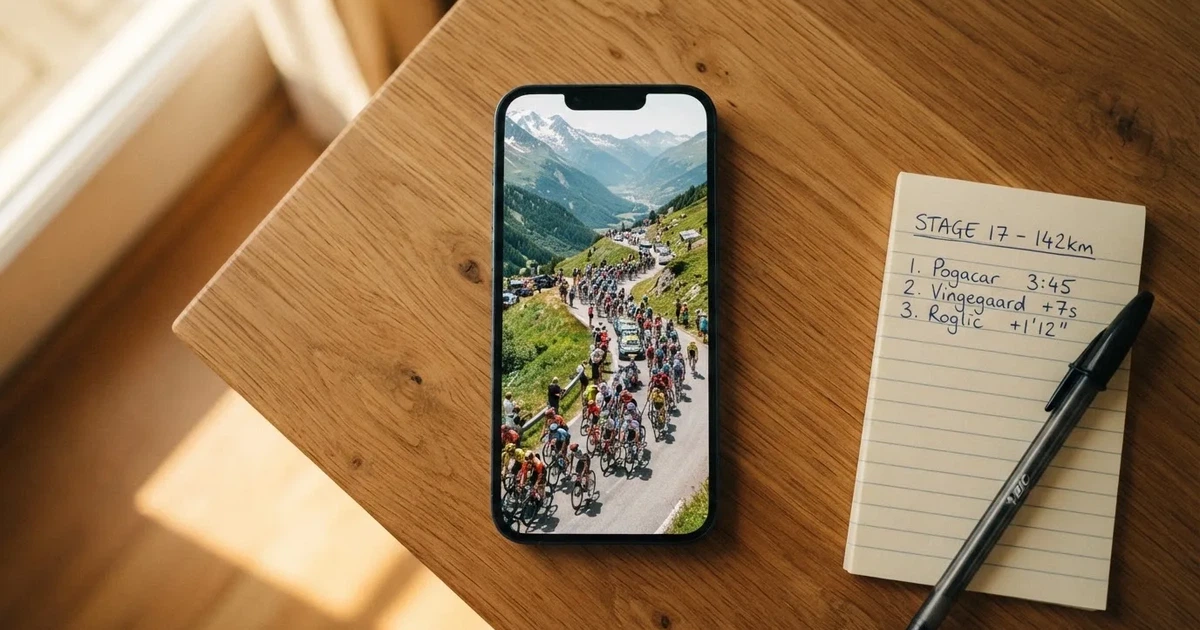
Data current as of 27 October 2026; licences and operator terms checked against the Gambling Commission’s public register and each operator’s own help pages.
The ten bookmakers for cycling
The comparison below covers ten brands that hold a Gambling Commission remote licence for Great Britain and that list road cycling markets with enough depth to bet on the Grand Tours, the WorldTour and the major one-day Classics. The selection is a working shortlist: every name here passed the same minimum bar — a Commission licence, a route to a customer in Great Britain, and a cycling book with stage, overall and head-to-head markets at the very least. What separates them is shown on the page that follows: how much of the WorldTour they price, what they pay on a free bet, how quickly a withdrawal lands, and where their own terms rule out a market the page would otherwise assume is there.

What the comparison measures
Three columns carry the comparison. The first is the licence line: the Gambling Commission account number, the licence category that applies, and the company named on the register. The Commission distinguishes between a “remote general betting standard (real events)” licence, which most of the ten hold, and a “remote betting intermediary” licence, which is what an exchange carries — and the difference matters, because an exchange lets a customer lay a bet as well as back one, while a standard bookmaker only takes the back side. The second column names the company behind the brand, because more than one trading name can sit on a single licence: Paddy Power and Betfair, for example, are operated by the same group on the Commission’s register, and treating them as independent operators misleads a reader weighing one against the other. The third column is the cycling-specific note from the brand’s own terms page or app store entry: what the bookmaker says it offers on cycling markets, where it draws a line (a country restriction, a market that is “listed but not enabled”, a withdrawal time that depends on the method), and what a customer should check before placing a stake.
A licence number is the cleanest proof that a brand is what it claims to be in Great Britain, and it is the only number on this page that the regulator itself vouches for. The Commission’s public register is searchable by trading name, domain, account number or company name, and any number copied below can be re-checked against it. A licence is not an endorsement: it is permission to trade, with conditions attached, and several of the conditions — the 10x bonus cap, the financial vulnerability check at £150 of net deposits in a rolling 30 days, the GAMSTOP enrolment — are decisions the reader makes under, not a recommendation from the regulator about which brand to use.
The table
| Brand | Gambling Commission licence | Licence holder | Cycling-related note |
|---|---|---|---|
| Spreadex | 008835 (remote general betting standard, real events) | Spreadex Limited | Combines fixed-odds and spread betting; cycling listed across fixed-odds and spread products; Spreadex is also regulated by the FCA for financial spread betting |
| Bar One Racing | 056516 (remote general betting standard, real events) | Bar-One Racing Limited | Irish independent; road cycling coverage is sparse relative to horse racing — confirm the stage and race outrights are priced before a Grand Tour weekend |
| Smarkets | 039173 (remote betting intermediary) | Smarkets (Malta) Limited | Exchange model: price is set by customers, with Smarkets taking a commission on net winnings; useful when a backer’s tip differs from the field’s, since a lay price is also available |
| William Hill | 039225 (remote general betting standard, real events) | WHG (International) Limited | BOG on UK and Irish horse racing from 8 AM; cycling markets are standard fixed-odds with stage, overall and head-to-head on the three Grand Tours and WorldTour one-day races |
| BetMGM | 039198 (remote general betting standard, real events) | LeoVegas Gaming PLC | Cycling book is on the same app as a casino; welcome structure is multi-leg free bets on football multiples, so the cash side of a cycling stake is settled as a normal bet |
| Midnite | 101839 (remote general betting standard, real events) | Midnite Limited | Shows in-play cycling events when live stages run, plus an acca builder and price boosts; acca-friendly features on a sport that builds naturally across multi-stage races |
| Paddy Power | 039439 (remote general betting standard, real events) | PPB Counterparty Services Limited | Long-established GB bookmaker with football, horse racing and a full sports list; cycling is part of that list rather than a flagship, and price depth on the one-day Classics is thinner than on the Grand Tours |
| Betboro | 044181 (remote general betting standard, real events) | Webmedia Development N.V. | Welcome offer mixes a free bet with a small casino bonus; cycling coverage is present but smaller than at William Hill or bet365 — confirm each stage and outright is priced before staking |
| Octobet | 062545 (remote general betting standard, real events) | Octopus Game Limited | Half-back free-bet welcome offer alongside a casino bonus; cycling book is functional, with stage and outright markets but a thinner in-play line |
| BetVictor | 039576 (remote general betting standard, real events) | BV Gaming Limited | BOG on UK and Irish racing, enhanced live race streaming and BetFinder for racing bets — the cycling section reads as a clean fixed-odds book rather than a flagship |
A licence line is short, dry information, but it carries the most consequential fact on this page: each brand above is permitted by the regulator to take bets from a customer in Great Britain on real-world sport. The licence number is the only one worth memorising — the rest is the operator’s own marketing, which has no such force.
How a cycling tip is built
A tip is not a hunch expressed in numbers. It is the result of reading four streams of information against each other, then pricing the bet at a level that beats the bookmaker’s own margin and still leaves something for the bettor on top. Miss any of the four and the tip is guesswork dressed as analysis.
Form is the first stream. A rider’s recent results over the last six weeks tell you whether the legs are there now, not whether they were there in February. For a Grand Tour the form check covers the rider’s last two or three stage races and one or two one-day races; for a one-day Classic the form check covers the last four to six races and the rider’s record at the same event over the last three years. Pogačar’s five Tour wins before July 2026 did not make him a certainty for 2026 — they made his recent form the cleanest baseline in the field. Form is also where recency bias bites: a rider who podiumed in May is not the same rider in July if the route suits another profile.
Statistics are the second stream. The power-output numbers, the climb-time gaps on the same hors-catégorie stages and the time-trial benchmarks from the same season’s prior races give a quantitative read. Climbers show up best on the long mountain stages, puncheurs on the medium-mountain stages, time-trial specialists on the stage-9 and stage-13 TT slots a Grand Tour organiser typically writes into the route. A rider who is third-best on the climbs and the time trials will, almost regardless of the sprint stages, fall out of GC contention by the second rest day.
The route is the third stream. A flat opening week punishes GC riders who can climb but not sprint; a route with three summit finishes in the last five stages is a climber’s race even if the form says otherwise. The 2026 Tour de France ran over 21 stages and 3,245 km, with a Barcelona team time trial on stage one and the Champs-Élysées on stage 21, and the route profile between those two bookends decides who survives to Paris in yellow. Reading the route once a year, before the Grand Tour starts, is worth more than a thousand form snapshots mid-season.
The start list is the fourth stream. A race is not the same race with and without certain riders. Pogačar’s withdrawal reshapes the favourites; Evenepoel’s presence at the Volta a Catalunya does the same; a domestique team built around one leader tells you who will be in the breakaway on the flat stages. The start list often changes in the week before the race, and the closer to the start the list is final, the cleaner the form read becomes.
A tip assembled from those four streams is a probability, not a certainty. It is expressed as a percentage — say, “Pogačar’s chance of winning is around 35% given the route and his form” — and it becomes a value bet when the decimal odds the bookmaker offers imply a smaller chance than 35%. At decimal odds 3.00, an implied probability of 33.3%, a 35% tip is a value bet; at 2.50, an implied 40%, the same tip is a losing bet at any reasonable staking plan. The bookmaker’s margin — typically four to eight per cent across the three-outcome outright market on a Grand Tour — sits inside those odds and quietly inflates the implied probability of every runner. Reading the implied probability out of the price is the move that turns a tip into a bet.
How the bookmaker’s margin shows up in the odds
Every price the bookmaker prints carries a margin. On a three-way market with one favourite and two outsiders, the margin is the percentage of every pound staked that the bookmaker keeps on average — the rest is paid back to winning punters, in proportion to their stake. The mechanic is straightforward in arithmetic and slippery in practice, because the margin is rarely printed on the betting slip. It hides inside the prices.
Take an illustrative two-way market at decimal odds of 1.90 against 1.90. The implied probability of each side is 1 ÷ 1.90, which is 52.63%. The two probabilities sum to 105.26%, and the excess over 100% is the margin — in this example, around 5.3%. On a Grand Tour outright with twenty-five starters at varying prices, the sum of implied probabilities is often 108% to 112%, which is a margin of 8% to 12%. A margin in that range is normal for outright cycling markets, which are priced weeks or months ahead and where the bookmaker’s uncertainty is genuinely large.
The arithmetic matters because the size of the margin is the size of the tax on every bet placed. A bettor who backs ten runners in turn at prices that include an 8% margin is paying 8% of turnover to the bookmaker before any stake is settled — a sum that adds up faster than it reads. In marginal cases, a tip that looks profitable on paper becomes unprofitable once the margin is taken out. Stripping the margin out of a price, then comparing the cleaned probability to the tip’s probability, is the only way to know whether a bet is worth placing.
For a worked example that lands concretely: a Grand Tour outright with a field of twenty-five at a total implied probability of 110% carries a margin of 10%. If a tip says Pogačar’s chance is 30% and the bookmaker’s price implies 25%, the cleaned read is the tip still beats the bookmaker — but the 5% edge is real only after the 10% margin is stripped out, and the bettor’s edge shrinks the moment price drift narrows the gap. Value is fragile, and the margin is the reason.
The same mechanic works on stage markets, head-to-head markets and the in-play market during a live race, though the margin tends to be tighter — closer to 4% to 6% — when the bookmaker has more information and a shorter window. The whole picture is that the bookmaker never pays the full fair price, and the gap between fair and offered is where the house earns its money on every bet placed.
How to read a return from a stake and the odds
A return is the number on the bettor’s side of the bet. It is the stake plus any winnings, where the winnings are the stake multiplied by the odds minus one (because the stake is returned as part of the total, not in addition to it). At decimal odds of 4.00 and a stake of £10, the return is £40 — £10 returned and £30 profit. At 2.50 the return on a £10 stake is £25 — £10 returned and £15 profit. The same calculation gives a return of £190 on a £10 stake at odds of 19.00, which is the kind of price a Tour outsider goes off at in the ante-post market.
For a combination bet across more than one selection, the decimal odds of each leg multiply into one price. A double at 3.00 and 2.50 gives combined odds of 7.50, so a £10 stake pays £75 if both legs win. A treble at 3.00, 2.50 and 1.50 gives combined odds of 11.25, paying £112.50 on a £10 stake. The multiplication is exact and the return is the product, not the sum — a point worth checking on a calculator, because slips printed with combined prices do not always make the multiplication visible.
The profit on a winning combination is the return minus the total stake. A successful £10 double at combined odds 7.50 returns £75, of which £65 is profit because £20 went on the two legs and only £10 of that is the bettor’s own money — the rest is the winnings from the first leg rolled into the stake on the second. This is the part of a combination bet that surprises new punters who expect their stake to be returned in full on every leg.
The same arithmetic applies to an each-way bet, except the stake is doubled and the bet is two bets of equal size, not one. A £10 each-way double at combined odds of 7.50 costs £20 total — £10 on the win side and £10 on the place side. The place side pays at a fraction of the win odds (typically a quarter or a fifth, depending on the number of runners), and the two returns are calculated independently. The fraction used and the number of places paid depend on the type of race and the operator’s own rules, and the place terms should be checked before the bet is placed.
What is and is not legal for cycling betting in Great Britain
The legal frame around a cycling bet is set by the Gambling Act 2005, the body that administers it (the Gambling Commission), and the Commission’s own register, which is the only proof of who is licensed. Since the Gambling (Licensing and Advertising) Act 2014 took effect, an operator whose remote facilities are used in Great Britain needs a Commission licence wherever it is based — a Curaçao, Maltese or Gibraltar licence on its own is not enough. Northern Ireland sits outside the 2005 Act, so the rest of this section describes Great Britain (England, Scotland and Wales) and uses “GB-licensed” rather than “UK-licensed” to keep that boundary honest.
A GB-licensed bookmaker is permitted to offer markets on real-world sport under a “remote general betting standard (real events)” licence, and a betting exchange is permitted to match back and lay bets under a “remote betting intermediary” licence. The Commission distinguishes those categories clearly, and so should a reader choosing between a back-only bookmaker and an exchange. No statutory list of permitted bets or markets exists, so what may be bet on is set by each operator’s licence conditions and its own house rules — meaning a market that is offered at one operator may be excluded at another, and the bettor’s recourse at a licensed brand is the operator’s complaints route and an approved alternative dispute resolution service; at an unlicensed brand there is no recourse at all.
In-play betting on cycling is offered by GB bookmakers and is not legally restricted as a category, though each operator sets its own controls. Esports, virtual cycling, novelty markets and political markets are all offered to some extent, and the Commission’s view is that the controls on those markets are an operator’s responsibility under its licence conditions, not a statutory rule. The minimum age is 18 across the board; name, address and date of birth are verified before a customer can deposit or place a bet, including with a free bet or bonus, since 7 May 2019. Credit cards are banned for gambling in Great Britain, since 14 April 2020, including credit-card-funded payments through an e-wallet — debit cards and bank-based payments are not covered.
The player pays no tax on betting winnings in Great Britain. General Betting Duty is the operator’s tax, currently 15% of gross profits on most bets, with a new 25% remote betting rate due from 1 April 2027 on remote bets outside UK horse racing, pool betting and similar products. Whether operators pass that duty on through tighter odds is not publicly known, so the punters’ side of the bet is not directly affected. Anything beyond that — whether a side activity, a side income or a professional status changes the picture — is a question for HMRC or a tax adviser, not for a bookmaker’s help page.
Responsible gambling: what the licence buys the bettor
A GB licence is not a recommendation, and it is not a stamp of safety. It is a permission to trade, with conditions, and a reader who understands what those conditions actually guarantee is in a stronger position than a reader who treats a licence number as a magic word. Three protections attach to a GB-licensed operator and are absent from an unlicensed one, and three conditions on the bettor’s side of the bet are worth knowing in detail.
GAMSTOP is the national multi-operator online self-exclusion scheme. A customer who enrols is barred from every GB-licensed online site and app for six months, one year, five years, or five years with auto-renewal, and after the minimum period the exclusion stays in place for a further seven years unless the customer asks GAMSTOP to remove it. GAMSTOP has been a mandatory condition for online operators since 31 March 2020, so it is the single most consistent feature of a licensed brand. A self-exclusion at a single bookmaker does not replace GAMSTOP; only the national scheme covers the whole licensed market. A punters’ exposure to unlicensed brands is a corresponding exposure to operators that do not enrol at GAMSTOP.
Bonus wagering caps limit the size of the marketing offer. Since 19 January 2026, wagering requirements on bonuses at GB-licensed operators have been capped at 10x — a £10 bonus at 50x turnover (the £500 industry standard that ran for years) is no longer permissible, and a £10 bonus at 10x turnover needs £100 of qualifying bets to clear. A bonus at any size with a 50x turnover is now outside the rules, and a bookmaker offering one to a GB customer is breaking its licence conditions. Mixed-product promotions — an offer that asks for bets on two or more product types such as betting, casino, bingo and lottery — are banned under the same rules. Whether the cap applies to free bets with no wagering condition, and whether the Commission has set a cap on the money value of a bonus, have not been clarified.
Financial vulnerability checks flag the customers who most need a check. Since 28 February 2025, a licensed operator has had to run a public-record financial vulnerability check at the point at which a customer’s deposits minus withdrawals exceed £150 in a rolling 30-day period. The check is a public-record one (bankruptcy, county court judgments and the like), not a credit-reference check and not an income check. A broader regime of financial risk assessments — the so-called “affordability checks” in the press — has been announced in a staged plan with no start date in the public materials available. Deposit limits are a separate rule: the Commission’s Remote Technical Standards require operators to offer a gross deposit limit on a fixed time frame, the first changes have applied since 31 October 2025, and a second phase has been postponed. There is no state-set deposit or loss ceiling — limits are the customer’s choice — but the operator must offer a way to set one.
A GB-licensed operator is also responsible for marketing on its affiliates’ sites and apps, which is why a cycling tip on a third-party site can still leave the operator liable under the LCCP. Whistle-to-whistle is an industry code, not law: betting advertisements are not shown on TV from five minutes before a live sporting event to five minutes after it, before the 9pm watershed; horse and greyhound racing are exempt. The Premier League clubs’ withdrawal of gambling sponsorship from the front of matchday shirts from 2026/27 is voluntary, not a legal change. None of these protections apply at an unlicensed brand. There is no GAMSTOP, no Commission complaints route and no British consumer redress if funds are withheld — and the bettor who uses one is gambling outside the regime the law has set up to manage the market.
For readers who want help, GamCare runs the National Gambling Helpline, GambleAware funds treatment and support, the NHS runs gambling clinics and Gamblers Anonymous runs peer-support meetings. A punters’ first port of call when a habit becomes difficult is one of those services, not the operator’s customer service team.
The road cycling calendar: what the bookmakers price
Road cycling’s season runs from late January to late October, with the one-day Classics and the three Grand Tours as its peaks. The Union Cycliste Internationale (UCI), based in Switzerland, has governed the sport since 1900 and runs the men’s and women’s Road World Championships every year, alongside a WorldTour calendar that has carried its current shape since 2005, when it was founded as the ProTour and renamed the WorldTour in 2011.
The three Grand Tours
The Grand Tours are the Giro d’Italia, the Tour de France and the Vuelta a España — first held in 1909, 1903 and 1935 respectively. UCI rules allow each Grand Tour to run fifteen to twenty-three days, and the three leaders’ jerseys are pink (Giro), yellow (Tour) and red (Vuelta). Each race usually includes two rest days, and the order of stages — flat, hilly, mountain, time trial — is written by the organiser with the overall classification in mind. A Grand Tour’s route is typically published six to nine months ahead, which is enough time for ante-post outright markets to open at the major bookmakers, and enough time for the route itself to shape the value read on each runner.
The 2026 Tour de France ran from 4 to 26 July 2026, starting in Barcelona with a team time trial and finishing on the Champs-Élysées in Paris, over twenty-one stages and 3,245 km with twenty-three teams. Tadej Pogačar (UAE Team Emirates, Slovenia) won the race — his fifth Tour victory — and the result is the cleanest recent data point for reading GC form into the 2027 season. Outright markets for the next Tour open within weeks of the previous one finishing, and the price on the favourite typically shortens in the days before the start as money comes in.
The WorldTour and the one-day Classics
The WorldTour is the top tier of road cycling outside the Grand Tours, and it includes the major stage races (Paris-Nice, Tirreno-Adriatico, the Critérium du Dauphiné, the Tour de Romandie, the Volta a Catalunya) and the one-day Classics (Milan-San Remo, the Tour of Flanders, Paris-Roubaix, Liège-Bastogne-Liège, Il Lombardia). The Classics are the spring and autumn peaks outside the Grand Tours, and they tend to draw more diverse fields — Classics specialists, semi-Classics riders and Grand Tour domestiques who rarely start a three-week race but will turn up for a one-day event.
Bookmakers price the Classics as outright markets with smaller fields than the Grand Tour outrights — typically twenty to thirty runners at the major Classics, against sixty to eighty at a Grand Tour — and the margins are correspondingly tighter. Stage-race markets within the WorldTour are priced weekly, and the ante-post market on the major stage races opens two to four weeks ahead of the start.
Markets the bookmakers run
The cycling book at a typical GB-licensed operator carries four kinds of market. Outrights on the GC winner, the points classification winner, the mountains classification winner and the young rider classification are priced weeks ahead at the Grand Tours and within days at the WorldTour stage races. Stage markets — stage winner, top three, head-to-head between named riders, and a “group match bet” between two or three riders priced against each other — open the day before each stage. In-play markets during a live stage are limited: head-to-head and next-stage markets are the most common, with outright markets suspended when the live race is on. Specials — King of the Mountains, Combativity award, leading rider at named climbs — are priced at the major bookmakers but are not standardised across operators.
A market that is “listed” is not the same as a market that is “enabled”. A bookmaker may list a cycling book on its app without pricing every race on the calendar, especially in the early weeks of the season. A punter who sees a brand listed under “cycling” in the app’s sport menu should check each race’s outright before staking, because the listed sections sometimes outrun the priced sections.
The headline offers behind each brand
The ten bookmakers do not run identical welcome structures, and the differences matter more than the percentage alone suggests. The summary below is descriptive: it names what each brand’s own terms say about a new-customer offer, and it does not print a working bonus code. A reader who decides to claim an offer should re-read the terms on the operator’s own site on the day of claim, because offers change and the version printed on a third-party site can lag.
Spreadex combines fixed-odds and spread betting in one app, with one-click, auto and partial cash out, a Bet Builder across fixed odds or spreads, and live streaming of UK and Irish horse racing, greyhounds, tennis, NFL and selected football. Spread betting losses can exceed deposits, which is a feature of the spread product rather than the fixed-odds side. The FCA regulates the financial spread product and the Commission regulates the fixed-odds product, and the two licences sit on the same company.
Bar One Racing is an Irish independent bookmaker with shops across Ireland and horse racing sponsorships at Dundalk, Fairyhouse, Navan, The Curragh, Curraheen Park and Cork. Road cycling coverage is present but is not the brand’s flagship compared with horse racing. The app on the UK App Store carries the rebrand from Bar One Racing to BAR 1 Betting.
Smarkets runs as a betting exchange: prices are set by customers backing and laying, with the operator taking a commission on net winnings rather than a margin on the price. Open-bank deposits are instant from £10 up to £10,000, and withdrawals are processed within six hours from £10 up to £100,000; UK debit-card deposits are instant from £10 up to £15,000. An exchange lets the bettor lay a runner as well as back one, which is the move that turns a confident tip into a value bet at prices the back-only market does not offer.
William Hill pays Best Odds Guaranteed on UK and Irish horse racing from 8 AM on the day of the race, on both single and multiple bets, but BOG does not apply to ante-post, tote or pari-mutuel bets. The cycling book is a clean fixed-odds one with a comprehensive line on the Grand Tours and the major one-day Classics.
BetMGM runs a sports welcome offer for new UK customers who deposit £10 or more and place a sports bet within seven days: four £10 free bets (two football accumulators of four-plus selections and two sports multiples of two-plus), valid for seven days, with minimum odds and an opt-in required. The free bets are paid as bet credits and are not returned with a win, so the stake disappears on a successful four-fold.
Midnite runs a sports welcome offer in which new customers who bet £5 or more on pre-match odds of EVS (2.0) or greater within fourteen days of sign-up receive £25 in free bets and fifty free spins, valid for seven days. The Midnite licence on the Commission’s register is account 101839, with in-play cycling events when stages are live and an acca builder that combines selections across markets.
Paddy Power is a long-established GB bookmaker covering football, horse racing, boxing, rugby, tennis, golf, darts, snooker and F1. Cycling is part of the sports list rather than a flagship, and the one-day Classics coverage is thinner than the Grand Tour coverage. The Paddy Power Sports Betting app is published by Paddy Power PLC.
Betboro runs a sports welcome offer that is a 100% matched free bet of up to £25 on the first qualifying wager, requiring a debit-card deposit of at least £10 and a first bet of £5 to £25 with at least three selections each at 3/5 (1.60) or higher. The free bet is a matched-stake one, so its value tracks the size of the first bet within the cap.
Octobet runs a sportsbook welcome offer that is 50% back as a free bet up to £50, plus a £10 casino bonus for new customers. The half-back structure is a partial refund of the first stake rather than a full match, and the £10 casino bonus sits under the mixed-product ban at a GB-licensed operator only if the rules apply to existing-customer offers; new-customer welcome offers are governed under a separate Commission framework, and the position of a free bet plus a casino token under the same offer should be checked against the operator’s own terms.
BetVictor offers BOG on UK and Irish horse racing, enhanced live race streaming and a BetFinder feature for finding racing bets, alongside Smart Stats. Cycling is on the same platform under a clean fixed-odds book rather than a flagship product, and the major races are priced with stage, head-to-head and outright markets.
The headline offer is not the headline value. A 100% match up to £25 sounds generous until the minimum odds are read, at which point it is one qualifying bet with a small stake. A “risk-free” first bet is, almost always, a free bet whose stake is not paid back on a win — the word “risk-free” describes the operator’s risk, not the bettor’s, and the bettor’s actual upside on a winning risk-free free bet is the winnings on a stake they did not put down. Reading the small print is the only protection against the marketing language.
The ten brands in detail
The reviews below describe each of the ten bookmakers on the same set of axes: licence, the cycling book, the welcome offer in qualitative terms, the punters’ experience for deposits and withdrawals, and the verdict — what the brand is and is not good at, for which kind of customer. The reviews are drawn from each operator’s own help pages and the Commission’s register; nothing here is invented from memory, and gaps are stated as gaps rather than padded with marketing language.
Spreadex
Spreadex runs two products on one app: spread betting on the financial side, and fixed-odds betting on the sports side. The split is what defines the brand — a punters’ account can hold positions on either product, and the cycling book is priced in both. The financial spread side is regulated by the FCA; the fixed-odds side is regulated by the Gambling Commission under account 008835. Both regulators sit on the same company.
The cycling book carries stage, head-to-head and outright markets at the three Grand Tours and at the major WorldTour stage races, with in-play running during live stages. The Bet Builder combines selections within a single event across fixed odds or spreads, which is unusual — most Bet Builders are fixed-odds only — and the cash-out feature covers one-click, auto and partial, which is one of the more granular cash-out products on the market. Live streaming covers UK and Irish horse racing, greyhounds, tennis, NFL and selected football; cycling is not on the streamed list. Spread betting losses can exceed the deposit, and that risk is on the spread side rather than the fixed-odds side.
The welcome offer sits on the fixed-odds side and is described qualitatively as a matched fixed-odds structure; the headline size is in line with the rest of the GB market. The value of the offer depends on the minimum odds and the wagering factors in the small print, and a read-through of the terms is worth doing before a first deposit. Where Spreadex scores is on the breadth of product: a bettor who wants cycling as fixed odds and as spreads in one app, with cash-out control on each, is well served. The complexity of a brand split across two regulators and two product types, however, requires a closer read of the terms than a fixed-odds-only operator.
Bar One Racing
Bar One Racing is an Irish independent bookmaker with shops across Ireland. The brand has rebranded as BAR 1 Betting, and the app on the UK App Store carries the new name. Bar-One Racing Limited holds the Gambling Commission account 056516.
The cycling book is present but thin relative to the horse racing book, which is the brand’s flagship. The Grand Tour outright markets are priced, and the headline stage markets (stage winner, head-to-head) are present on the day of each stage. The Classics and the WorldTour stage races outside the Grand Tours are not always priced — the book runs on the marquee events rather than on the full calendar. Where it scores is on a clean fixed-odds interface that mirrors the shops; a bettor who already has an account at the Irish end will find the same product on the GB app. Where it does not is on depth — a punter who wants the full WorldTour calendar priced every week will need another book alongside.
Smarkets
Smarkets is a betting exchange, which is the structural difference that separates it from the rest of the list. Prices are set by customers backing and laying, with the operator taking a commission on net winnings rather than a margin on the price. Smarkets (Malta) Limited holds the Commission account 039173 (remote betting intermediary category) — the licence for an exchange, not a back-only bookmaker.
Deposits by open-bank transfer are instant from £10 up to £10,000, and withdrawals are processed within six hours from £10 up to £100,000. UK debit-card deposits are instant from £10 up to £15,000. The withdrawal time is a clean six-hour figure on the help pages, and that figure is the operator’s own rather than an industry benchmark. The exchange model is also why the site tends to carry tighter margins than the back-only bookmakers, particularly on the major markets: the operator does not need to build a margin into the price, because its revenue is the commission.
The cycling book lists outright markets, stage markets and in-play markets during live stages, with prices set by the customers on the exchange. A tip that differs from the field’s read becomes a lay at a price the punter chooses; a tip that agrees with the field becomes a back at a price that may be sharper than a bookmaker’s. Where Smarkets scores is on the price — the consistent sharpness at the head of the market, and the ability to lock in a position on a runner whose price might shorten. It is, however, an exchange rather than a back-only bookmaker, so a first-time customer will need a few bets to learn how the back-and-lay queue works.
William Hill
William Hill is one of the longest-established GB bookmakers, with a sports book that covers football, horse racing, tennis, golf, boxing and a long tail of other sports including cycling. WHG (International) Limited holds the Commission account 039225.
The cycling book covers the three Grand Tours, the WorldTour stage races and the major one-day Classics with outright, stage and head-to-head markets. Best Odds Guaranteed on UK and Irish horse racing runs from 8 AM on the day of the race, on both single and multiple bets; BOG does not apply to ante-post, tote or pari-mutuel bets, and the rule is on horse racing rather than cycling. The sports list overall is one of the deepest in GB, and the cycling section reads as one fixed-odds book within a much larger catalogue rather than as a flagship on its own.
The welcome offer is a sportsbook matched structure, and the headline size is in line with the rest of the market. Where William Hill scores is on depth and brand familiarity — a punter who has been betting for years and wants a clean fixed-odds book with a long history of paying out will recognise the product. The price sharpness at the head of the cycling market is often less aggressive than at the specialist exchanges.
BetMGM
BetMGM runs a casino and a sportsbook on one app, with the sportsbook covering the standard GB sport list and the cycling book sitting alongside football and horse racing as a mid-sized section. LeoVegas Gaming PLC holds the Commission account 039198 — the same group that runs several GB-facing brands.
The welcome offer for new UK customers who deposit £10 or more and place a sports bet within seven days is four £10 free bets: two football accumulators of four-plus selections and two sports multiples of two-plus. The structure is a free-bet package with a seven-day validity, and the minimum-odds threshold and the opt-in step are part of the small print. The free bets are paid as bet credits rather than as cash, and the stake is not returned with a win.
The cycling book covers the core calendar of Grand Tours and one-day races. Where BetMGM scores is on the casino-and-sports bundle — a punter who plays both has one account across two products. The cycling section is functional rather than flagship, and the welcome offer’s free-bet structure is shaped around multi-leg football bets rather than around a single cycling outright.
Midnite
Midnite runs a sportsbook and a casino under a recent Commission licence (account 101839, in the name of Midnite Limited). The cycling section is one of the brand’s stronger areas, with in-play events when live stages run, an acca builder, popular accas and price boosts with maximum-stake limits on each.
The welcome offer is for new customers who bet £5 or more on pre-match odds of EVS (2.0) or greater within fourteen days of sign-up: £25 in free bets and fifty free spins, valid for seven days. The pre-match EVS minimum is a clean single threshold, and the fourteen-day window is on the longer side of the GB market — most welcome offers run on a seven-day window. The combination of free bets and free spins puts the offer across two product types, and the position of that combination under the mixed-product promotion ban is a question for the operator’s own terms.
Where Midnite scores is on cycling depth for a newer licence: the in-play section is broader than at most established bookmakers, and the acca-builder feature lands naturally on multi-stage Grand Tour bets. It lacks the long-established track record of the market incumbents, which may be a factor for a customer who values a long history.
Paddy Power
Paddy Power is a long-established Irish-and-GB bookmaker, with a sportsbook covering football, horse racing, boxing, rugby, tennis, golf, darts, snooker and F1. PPB Counterparty Services Limited holds the Commission account 039439 — a single group that runs several brands in GB. Cycling is on the sports list, but the section is mid-sized rather than flagship, with outright, stage and head-to-head markets at the Grand Tours and a thinner line at the WorldTour stage races and one-day Classics.
The welcome offer is a sportsbook matched structure; the value of any specific offer depends on the minimum odds and the wagering requirements in the terms. Where Paddy Power scores is on brand reach — a punter who already has an account on football or horse racing will find cycling as a clean section within the same product. The price depth on the Classics is generally less competitive than the specialists.
Betboro
Betboro runs a sportsbook under a Commission licence (account 044181, in the name of Webmedia Development N.V.), with the welcome offer as a 100% matched free bet up to £25 on the first qualifying wager, requiring a debit-card deposit of at least £10 and a first bet of £5 to £25 with at least three selections each at 3/5 (1.60) or higher. The matched structure is a small free bet relative to the £25 cap, and the three-selection minimum at minimum odds 3/5 is the binding condition — a first bet that does not meet it does not qualify.
The cycling book is present at the three Grand Tours and at the major one-day Classics, with outright, stage and head-to-head markets. The line is functional rather than deep. Where Betboro scores is on the small-stake welcome offer for a punter who wants a low-cost first bet with a guaranteed free-bet return. Cycling depth is not its primary strength, so comparisons against the market leaders are advised before staking.
Octobet
Octobet runs a sportsbook and a casino under a Commission licence (account 062545, in the name of Octopus Game Limited). The welcome offer is 50% back as a free bet up to £50, plus a £10 casino bonus for new customers — a half-back structure rather than a full match, with the casino bonus as a second token.
The cycling book carries outright, stage and head-to-head markets at the three Grand Tours and at the major one-day Classics, with a functional book that is mid-sized rather than deep. The in-play line on cycling is present but thinner than the pre-match line. Where Octobet scores is on the half-back structure for a punter whose first bet is a larger stake — a £100 first bet at 50% back gets a £50 free bet, which is a meaningful return. Cycling is not its flagship product, which leaves it trailing football.
BetVictor
BetVictor is a long-established online sportsbook with a GB-facing licence (account 039576, in the name of BV Gaming Limited). The brand’s strength is horse racing: Best Odds Guaranteed on UK and Irish racing, enhanced live race streaming, and a BetFinder feature for finding racing bets, alongside Smart Stats. Cycling is on the same platform under a clean fixed-odds book, with outright, stage and head-to-head markets at the three Grand Tours and the major one-day Classics.
The welcome offer is a sportsbook structure; the value of the offer depends on the minimum odds and the wagering conditions in the terms. Where BetVictor scores is on depth at the flagship products and on a clean interface — a punter who bets across multiple sports will recognise the catalogue. Its cycling product is a standard fixed-odds book, lacking the specialized features of the flagship cycling platforms.
What the ten leave out
Three bookmakers that a punter might expect to see on a cycling list are not in the ten. bet365 is a notable absence — the brand is the official global betting partner of the UEFA Champions League and its app is described as the most downloaded sports betting app in the UK, with Bet Builder+, Super Boosts, Winnings Boosts on Bet Builders and selected singles, and daily Bet Boosts. The cycling book at bet365 is one of the deepest on the GB market. Lottoland UK runs casino, lottery, sports and scratchcards under a Commission licence and carries some cycling markets. Fitzwilliam Sports runs instant deposits, fast withdrawals, timeouts and deposit limits, and links to GambleAware, GamStop and Gamblers Anonymous. Each of those three runs a cycling book under a GB licence; none of them sits on this comparison’s ten, and each is worth weighing alongside the brands above for a punter who wants a broader shortlist.
A punter who decides to bet on cycling at one of the licensed brands should still do four things before a stake is placed. First, re-check the licence on the Commission’s public register on the day of deposit — accounts can be suspended or have conditions varied, and a current licence at the time of a deposit is the operator’s promise to the regulator. Second, read the small print on the welcome offer at the operator’s own site — third-party listings lag, and the minimum odds, the wagering factors and the validity window are the binding conditions. Third, check the cycling book at the operator on the day of the race, not the week before — listed sections are not always priced sections, and a stage that is “coming soon” on a Monday may not be priced by Friday. Fourth, set a deposit limit before the first deposit, using the operator’s own deposit-limit tool under RTS 12, and treat the limit as a monthly ceiling rather than a monthly target.
Frequently asked questions
How is a return on a cycling bet worked out from the stake and the odds?
The return is the stake multiplied by the decimal odds, with the stake returned as part of the total. On a £10 stake at 4.00 the return is £40 — £10 returned and £30 profit. On a £10 stake at 19.00, an outsider’s price, the return is £190 — £10 returned and £180 profit. A combination bet multiplies the odds of each leg, and a treble at 3.00, 2.50 and 1.50 gives combined odds of 11.25, paying £112.50 on a £10 stake. The profit on a winning combination is the return minus the total stake, not the return alone.
What is a value bet and why is no tip ever certain?
A value bet is a price that implies a smaller chance of winning than the bettor’s own read on the race. If a tip says a rider has a 30% chance of winning and the bookmaker’s price implies 25%, the bet is value; if the price implies 35%, it is not. Bookmaker prices carry a margin, and the margin inflates the implied probability of every runner — typically by 4% to 12% on cycling outrights. A tip is never certain because form, the route, the start list and a clean read of the price can all be wrong, and the bookmaker’s margin is the baseline tax on every bet placed. Stripping the margin and comparing the cleaned probability to the tip is the only way to know whether a bet is worth placing.
How can it be checked that a bookmaker holds a Gambling Commission licence?
The Commission’s public register is searchable by business name, trading name, domain or account number. The licence number on this page is the register’s account number; finding the brand on the register confirms the licence, the licence category and the company name. A GB-licensed operator carries a “remote general betting standard (real events)” licence or a “remote betting intermediary” licence (for an exchange). A licence is not an endorsement — it is a permission to trade, with conditions attached.
What is the bookmaker’s margin and how can it be seen in the odds?
The margin is the percentage of every pound staked that the bookmaker keeps on average. On a two-way market at 1.90 against 1.90 the implied probabilities sum to 105.26%, which is a 5.26% margin. On a Grand Tour outright with twenty-five starters the implied probabilities often sum to 108% to 112%, an 8% to 12% margin. The arithmetic of the margin is the arithmetic of implied probabilities, and the margin is rarely printed on the betting slip. Stripping it out is the move that turns a tip into a value bet.
Which bookmaker pays out fastest on cycling winnings?
Withdrawal times are stated on each operator’s own help pages, and the figures vary by payment method. Smarkets processes withdrawals within six hours on open-bank transfer, which is the shortest figure across the ten; BetMGM, William Hill and the rest run longer. A reading of the help pages on the day of withdrawal is the cleanest way to check, and the fastest route is usually the method used for the deposit. An exchange tends to be faster than a back-only bookmaker because its payout chain is shorter, but the payment-method ceiling matters more than the operator.
Combat & motorsport – Bookies Trust
Content created by the «Bookies Trust» team
