
Spread Betting Platforms in the UK: Where the Margin Hides
 Available in US
Snapshot date: 27 October 2026. Verified against the Gambling Commission’s public register.
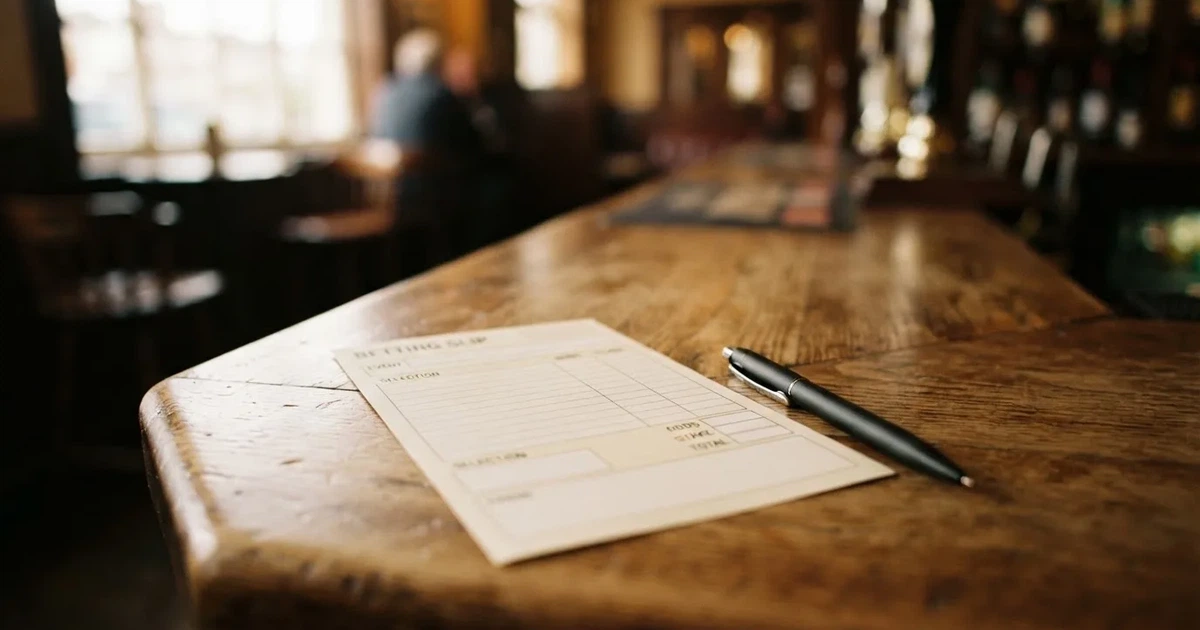
Spread betting pays you, or charges you, by how right you are. A £10 fixed-odds bet returns the same amount whether your team wins by one goal or five. A £1-per-point spread bet on the same match can land anywhere from a small win to a number several times the stake, and the same applies in reverse. That is the mechanic a UK bettor has to understand before any comparison of platforms has meaning, because the comparison is not about whose free bet is biggest. It is about whose quote gives back the most, whose margin is the tightest, and which firms are licensed to take the bet at all.
This page ranks the ten UK-licensed platforms whose products and licences research confirmed, working from the cheapest spread to the costliest, and from the simplest one-market bet to the combinations that can swing both ways. The angle throughout is cost: what a spread bet takes out of the bettor before the first whistle, and what the quoted spread leaves on the table once the bet settles.
Spread Betting in the UK: What the Market Is
Sports spread betting sits in a different regulatory box from financial spread betting. The two share a name and a mechanic, and almost nothing else. Spreadex, the only operator in the reviewed set that runs both products from one trading desk, makes the distinction on its homepage: financial spread betting is supervised by the Financial Conduct Authority, sports spread betting and fixed-odds betting sit with the Gambling Commission. The Spreadex site also states, in the same breath, that spread betting losses can exceed the deposit. That line is worth sitting with, because it is the only sentence every platform’s terms page should carry and many do not put it so plainly.

In a sports spread bet the bookmaker quotes a range: the total goals in a football match, the number of runs a cricket side will score, the supremacy of one side over another. The bettor buys at the top of the range, bets the outcome will be higher, or sells at the bottom, bets the outcome will be lower. Profit and loss are the stake multiplied by the number of units the result is away from the bet level. Buy a cricket total at 350, the team scores 400, you win 50 units times your stake. Score 300 and you lose 50 units times the same stake. The bookmaker’s quoted spread is the only thing protecting either side from a much larger number.
The licensing framework reinforces the divide. Since the Gambling (Licensing and Advertising) Act 2014, any operator whose remote facilities are used in Great Britain needs a Gambling Commission licence wherever it is based, on top of any other authorisation it holds. A Curaçao, Maltese or Gibraltar licence by itself is not enough to take a UK customer’s bet. Every brand in the ranking below is checked against the Commission’s public register, which is the only place a licence is proven. The register can be searched by business name, trading name, domain or account number, and it is the whole test of whether a platform is licensed in Great Britain. Domains are unreliable: licensed operators use .com as well as .co.uk, so the suffix proves nothing on its own.
The general point: there is no “best” spread betting platform in a vacuum. There is a set of licensed firms, each with its own spread, its own margin, and its own offer terms, and the right one depends on which sport, which market and which stake size a bettor is sizing up.
How the Spread Is Priced: Margin and Payout Share
Every spread carries an overround, the same way a fixed-odds book does. The bookmaker’s margin sits inside the gap between the buy and sell ends of the quoted range, and it is what the firm keeps from every unit bet on that market. The way to see it on a two-way line is the same arithmetic used for a 1X2 football market: the payout share is the reciprocal of the sum of the reciprocal of each side’s decimal price, and the margin is one minus that share.

Take a two-way line priced 1.90 against 1.90, the kind of even-money spread a book might quote as its headline. The implied probability of one side is 1 ÷ 1.90, or about 52.6%. Two sides give roughly 105.3%, and the difference from 100% — about 5.3% — is the margin. A 1.85 / 1.95 line widens that gap; a 1.95 / 1.95 line tightens it. The margin is the answer to “what does the bookmaker keep, on average, of every unit bet on this market”, and it is a band rather than a fixed number, because the margin moves with the spread the firm is quoting at that moment and on that market.
Research did not pin a margin to a named UK spread-betting event in the figures available. The two-way even-money case above is the illustrative example, not a quoted price from any one platform. For real markets, the bettor’s job is to treat the spread the way a fixed-odds bettor treats overround: the wider the spread, the more the book is keeping, and the harder the price has to work in the bettor’s favour before the bet becomes worth placing.
What a Spread Bet Pays Back
A fixed-odds win returns the stake plus the winnings. A spread bet returns the stake times the number of units between the result and the bet level, in either direction. On a £5-per-point total-goals spread where the bettor buys at 2.6 and the match ends with four goals, the bet wins 1.4 × £5, or £7, plus the £5 stake back. If the match ends goalless, the bet loses 2.6 × £5, or £13, and the £5 stake goes with it. A 0–0 scoreline is a much heavier loss than the 2–1 scoreline the bettor was hoping for, and the quoted spread decides how heavy it is.
For a combination spread the same logic applies across legs: the per-leg win or loss is added, then multiplied by the stake. The bookmaker is not building a multiplied price the way an accumulator does on fixed odds; the legs are independent spreads, and a single bad leg can wipe out two good ones. Combination bets in this market are a different risk shape from accumulator betting, not a more exciting version of it.
The margin in a spread is the gap between the buy and sell ends. The payout is the unit-distance from the result. Both matter, but they are not the same number, and confusing them is the mistake that catches a bettor who has only ever read about fixed odds.
Sports Spread Betting vs Financial Spread Betting
Financial spread betting is regulated by the Financial Conduct Authority, not the Commission, because what is being bet on is a financial instrument rather than a sports outcome. The collateral a financial spread bet is margined against is typically 5–10% of total exposure, and the loss is not capped at a single stake the way a sports bet is. A spread bet on a quarterly index, or on a single share, can lose more than the original deposit, and the FCA’s rules are built around that exposure rather than around the consumer-protection framework the Commission runs. Spreadex is the only UK platform that offers both side by side, with the FCA covering its financial book and the Commission covering its fixed-odds and sports spread book.
Sports spread betting is a Commission product. The Commission licence type is the remote general betting standard (real events) category, and it is the same category fixed-odds operators hold. The customer protection is the Commission’s protection: GAMSTOP, the social responsibility code, the bonus cap, the verification before the first deposit. What it does not give the bettor is a ceiling on losses, because the spread itself sets the ceiling: a result far enough from the bet level will burn through a stake faster than a fixed-odds loss ever could.
The two products share a name and a formula, and the differences are the ones the licence pages do not put at the top. Where the FCA looks at counterparty risk, the Commission looks at consumer harm. Where a financial spread bet is margined, a sports spread bet is staked. The bettor’s exposure in the sports version is the stake times the worst-case unit distance, and the platform’s quoted spread is the only thing telling the bettor what that worst case is.
Point-Spread Betting: The North American Reading
A second use of the phrase “spread” sits on the other side of the Atlantic. In North American point-spread betting, which the major US leagues run on NFL and NBA markets, a result landing exactly on the spread is a push and the stake is refunded. The standard price is 10 to 11, written -110, meaning a £110 stake wins £100. That is a fixed-odds market with a handicap, not a spread bet, and the bookkeeping at the end of the match is binary: the favourite covered, the underdog covered, or the line was a push and the book refunds.
UK platforms do not run the US point-spread product under the spread-betting licence. Where a UK platform offers an American sport, the line is rendered as a fixed-odds handicap, and the bet settles the way any fixed-odds handicap settles. Sports spread betting, on UK-licensed sites, is the Spreadex and Sporting Index product, where the payout is the unit-distance from the result. The North American usage and the UK sports spread are the same word for two different products, and the rest of this page is about the second.
Which Sports Run a Spread in the UK
Cricket spreads are the textbook case. With a quote of 340–350 runs for a side’s innings, buying at 350 means the bet wins if the side scores more than 350 and loses if it scores less. The same quote frames a sell at 340 with the result inverted. Football total-goals and supremacy spreads are the next most common. Rugby, basketball, NFL and horse racing all carry spread markets on the platforms that list them, though the depth varies by firm. A platform strong on cricket may have a thin rugby book, and a platform strong on US sports may not run football supremacy at all.
The fixture list a spread is quoted on matters as much as the sport. A Premier League match on a Saturday afternoon will have a tighter spread, and a smaller margin, than a midweek Championship fixture, because the bigger event attracts more money and the book can run a tighter line. The bettor’s view of a platform’s “best” market is shaped by which fixtures the firm lists at the tightest spread, not by an overall league table.
The market depth on the reviewed platforms is uneven. Spreadex and Sporting Index list dedicated spread books across multiple sports, including cricket, football, rugby, horse racing and US sports. The other eight firms in the ranking are fixed-odds bookmakers that may carry an occasional spread market or none at all, and the comparison from one firm to the next is partly a comparison of how much of the page is given over to spread at all.
The History in a Sentence
The spread-betting mechanic, as UK sports books use it, descends from the same intellectual move that produced the North American point spread. That move is attributed to Charles K. McNeil, a Connecticut mathematics teacher who moved into Chicago bookmaking in the 1940s. The version that became sports spread betting in the UK was a different adaptation of the same idea, in which the line is a range rather than a single number, and the bet is on the unit-distance from the result. McNeil’s point spread is the older and the simpler of the two, and the UK sports spread is what grew out of it.
How a Spread Bet Settles
Three steps decide what a spread bet pays. First, the platform posts a spread, a buy price and a sell price, on a market. Second, the bettor decides which side to take and how much to stake per unit. Third, the market settles to a number, and the difference between the number and the bet level is multiplied by the stake to give the win or the loss.
The settling is mechanical, but the pricing before the bet is where the cost sits. A platform quoting 2.6–2.8 on total goals in a football match is keeping a 0.2-unit spread, and a platform quoting 2.4–3.0 is keeping a 0.6-unit spread. The wider the spread, the more the firm is taking from both sides of the book, and the harder the bet has to land for the bettor to come out ahead. Settling is the easy part. The cost is in the line.
Staking is the second decision, and it is the one that decides the worst case. A £1-per-point stake on a 0.6 spread risks 60p in the worst case. A £10-per-point stake on the same spread risks £6. The bettor’s exposure is the stake times the spread, and a higher stake per point is not a more confident bet; it is a larger exposure to a wider line.
Responsible Gambling: What the Licence Requires
Every brand in the ranking below is on the Commission’s public register and bound by the same consumer-protection framework. GAMSTOP is the national multi-operator self-exclusion scheme and a mandatory licence condition for online operators, with periods of six months, one year, five years, or five years with auto-renewal. After the minimum period the exclusion stays in place for a further seven years unless the customer asks GAMSTOP to remove it. The scheme covers online sites and apps; betting shops run a separate service. A spread bet at a licensed UK platform is covered by GAMSTOP the same way a fixed-odds bet is.
The social responsibility code is the other part of the framework a bettor should know. Since 7 May 2019, name, address and date of birth are verified before a customer can deposit or gamble, including with a free bet or bonus. There is no anonymous play at a licensed site. Since 30 August 2024 a financial vulnerability check applies when a customer’s deposits minus withdrawals exceed £150 in a rolling 30 days; the check is a public-record review (bankruptcy or county court judgments), not an income check or a credit reference check. Staged affordability checks have been announced with no start date. The deposit limit regime has applied in its first phase since 31 October 2025, with a second phase postponed to 30 September 2026; the limits are the customer’s choice, not a state-set ceiling.
Spread betting makes the responsible-gambling framework more important rather than less. A loss can be several times the stake, and a bettor who treats the spread as a fixed-odds bet will misjudge the exposure. The help available is the standard set: GamCare’s National Gambling Helpline, GambleAware, the NHS gambling clinics network, and Gamblers Anonymous. The Commission’s public register, not the firm’s marketing, is the place to check the licence.
Strategies, Forecasts and Tipsters: What the Page Will Not Do
A spread bet is not a price. There is no number to “beat” in the same way a fixed-odds line is beaten, and there is no tipster who can tell the bettor where the closing spread will land. The product is settled on a number the platform posts, and the bettor’s edge is in spotting a market where the platform’s spread is wider than the true distribution of outcomes, or where the bettor’s model is sharper than the firm’s.
What the rest of the internet calls a “tip” on a spread is usually a fixed-odds tip restated in spread-betting language. The mechanic is different, and a tip that is correct on a fixed-odds handicap can be deeply wrong on a spread. The strategy content in this market is a research question, not a prediction question, and the answer is the same as the answer on any other market: a bettor who has done the work has a thin edge, a bettor who has not has none. No system of picks can give the spread’s true location, because the location is set by the bookmaker and moves with the book.
The cleanest framing is to treat the spread as a market the bettor is pricing. The bettor’s job is to decide whether the quoted spread is wide enough to be worth taking a position on, given the bettor’s own view of the distribution. Where the bettor has no view, the bet is the book’s edge, and the book’s edge is the margin.
Bonuses and Welcome Offers: The Real Cost
The welcome offer is the most quoted figure on a sportsbook’s landing page, and the least useful. A £40 free-bet package for a £20 qualifying bet reads well in a banner; it does not read well in the small print.
Coral’s headline is “Get £40 in Free Bets when you bet £20”: a deposit and a sports bet of £20 or more at minimum odds of 2.0 (1/1), with £40 in free bets issued within 7 days and expiring 7 days after issue, for new GB customers who opt in. The free bets are not the same as cash: a £10 free bet at odds of 3.0 returns £20 of winnings, not £30, because the stake is not paid back. The qualifying bet is at minimum odds, which means a heavily odds-on selection will not unlock the offer. The expiry is seven days, which means the bettor has to use them quickly or lose them.
Sky Bet’s welcome offer is £30 in free bets, credited as three £10 free bet tokens after a deposit of at least £5 and a first single or each-way bet of at least 5p at odds of 1/1 or greater. The minimum stake is small, but the minimum odds of 1/1 still rule out the shortest of favourites.
Dabble’s welcome offer is “Bet £10, Get £10 in Free Bets” on a first deposit for new customers, with minimum odds applying, a 7-day free bet expiry and the stake not returned.
Two of the platforms in the ranking run spread-specific welcome packages rather than fixed-odds free bets. Spreadex’s new-customer offer is £60 in free bets for a £10 fixed-odds bet, with the free bets usable across fixed odds and spread betting; the qualifying bet must be placed within 28 days of opening the account. Sporting Index’s new-customer offer is the most spread-focused: a £10 fixed-odds bet at minimum odds of 1/2 unlocks three £10 fixed-odds free bets, three £5 Total Goals spread bets, three £5 Winning Favourites spread bets and a £1 Race Index spread bet. The qualifying bet cannot be placed in-play and cannot be cashed out early. Sporting Index is the only reviewed platform whose welcome package is built around the spread product rather than around fixed odds.
The Commission’s promotion rules have applied since 19 January 2026. Wagering requirements on bonuses are capped at 10x (a £10 bonus at 50x, which would require £500 of bets, is no longer permitted), and mixed-product promotions — an offer that requires gambling on two or more product types such as betting, casino, bingo and lottery — are banned. The bettor reading a welcome offer has a simpler set of rules to compare against than was on the page a year ago.
The honest reading of a welcome offer is what it pays out after the small print. A £30 free-bet package that requires a £20 qualifying bet at minimum odds of 1/1, and whose free bets expire in seven days with no stake return, is worth a few pounds of expected value, not the headline number. The rest is marketing.
The Ten Platforms at a Glance
The table below lists the ten platforms, each with its Gambling Commission account number and the holder of the licence, alongside what the operator’s own terms page says on the spread subject. Research confirmed a spread product at Spreadex and Sporting Index; the other eight platforms are fixed-odds bookmakers whose terms are listed for completeness, and whose coverage of spread betting is what the platform itself states.
| Platform | Gambling Commission account | What the operator’s own terms state on spread betting |
|---|---|---|
| Spreadex | 8835 (Spreadex Limited) | Sports spread betting and fixed-odds betting under Commission licence; financial spread betting under FCA supervision. |
| Sporting Index | 27343 (Sporting Index Limited) | Dedicated sports spread betting platform with markets including Total Goals, Winning Favourites and Race Index. |
| Coral | 54743 (LC International Limited) | Fixed-odds bookmaker; the Commission’s register lists both remote general betting standard (real events) and remote betting intermediary categories. |
| Sky Bet | 67370 (SBG Sports Limited) | Fixed-odds bookmaker; Commission licence for remote general betting standard (real events) only. |
| Dabble | 65677 (Dabble Sports UK Ltd) | Fixed-odds bookmaker; Commission licence for remote general betting standard (real events). |
| Swifty Sports | 58957 (Swifty Global (UK) Ltd) | Fixed-odds bookmaker; the app’s own listing notes Best Odds Guaranteed, Cash Out and live streaming. |
| Betfred | 39544 (Petfre (Gibraltar) Limited) | Fixed-odds bookmaker; the app’s own listing notes Bet Builder, Sub Switch and Racing Post data. |
| Lottoland | 38991 (EU Lotto Limited) | Mixed-product platform combining casino, lottery betting, sports betting and scratchcards. |
| 888sport | 39028 (888 UK Limited) | Fixed-odds bookmaker; the app’s own listing notes Cash Out, Bet Builder and racing streams. |
| VBet | 44662 (SCGO Limited) | Fixed-odds bookmaker; the app’s own listing notes Bet Builder, in-play betting and live streaming. |
Two of the ten platforms are spread-betting firms by trade. The rest are fixed-odds bookmakers whose pages may or may not carry a spread product depending on the season and the event. A bettor looking for a deep spread book goes to Spreadex or Sporting Index; a bettor looking for a fixed-odds platform that occasionally carries a spread market has a wider set to choose from.
Spreadex
Spreadex is the only reviewed platform that runs both financial and sports spread betting from a single trading desk. The financial book is supervised by the Financial Conduct Authority; the sports spread and fixed-odds books are supervised by the Gambling Commission under account 8835, held by Spreadex Limited. The homepage makes the regulatory split explicit and adds the most important line a spread-betting customer can read on any platform: losses can exceed the deposit.
The new-customer offer is £60 in free bets for a £10 fixed-odds qualifying bet, with the free bets usable across both fixed odds and spread betting. The 28-day window for placing the qualifying bet is generous against the seven-day windows most fixed-odds bookmakers run, and the cross-product usability of the free bets is a meaningful difference for a bettor who plans to take a spread position after the welcome.
The verdict: Spreadex is the platform to choose if the bet is a spread bet, full stop. The Commission’s licence covers the sports book, the FCA’s supervision covers the financial book, and the firm’s own product range puts the spread at the centre rather than at the edge.
Sporting Index
Sporting Index is the second dedicated sports spread-betting platform in the UK. The Commission account is 27343, held by Sporting Index Limited, under the remote general betting standard (real events) category. The platform’s product range is built around spread markets: Total Goals, Winning Favourites, Race Index and similar, with fixed odds available as a secondary line.
The welcome package is the most spread-focused of the reviewed set. A £10 fixed-odds qualifying bet at minimum odds of 1/2 unlocks three £10 fixed-odds free bets, three £5 Total Goals spread bets, three £5 Winning Favourites spread bets and a £1 Race Index spread bet. The qualifying bet cannot be placed in-play and cannot be cashed out early. The minimum odds of 1/2 are short, and the spread-bet free bets are real spread positions, not fixed-odds substitutes.
The verdict: Sporting Index is the right pick for a bettor whose interest is specifically in spread markets and who wants a welcome package that puts the bettor on the spread product on day one. The £1 Race Index token is a small line, but it is the only token in the reviewed set that pays out as a spread bet rather than as a free fixed-odds bet.
Coral
Coral is a fixed-odds bookmaker held under Commission account 54743, with the licence in the name of LC International Limited. The Commission’s register lists both the remote general betting standard (real events) category and the remote betting intermediary category, which is the betting exchange category. Coral is therefore both a bookmaker and an exchange operator under one licence.
The welcome offer is “Get £40 in Free Bets when you bet £20”: a deposit and a sports bet of £20 or more at minimum odds of 2.0 (1/1), with £40 in free bets issued within seven days and expiring seven days after issue. The minimum odds of 1/1 are higher than several competitors, which means a Coral qualifying bet is harder to place cleanly than a Sky Bet or a Sporting Index qualifying bet.
The verdict: Coral is a fixed-odds platform first, and the spread product is at most a corner of the book. The licence is solid, the offer is competitive, and the bettor whose interest is in spread betting will not find the depth of market Spreadex or Sporting Index run. Coral suits a bettor who places a spread bet occasionally and a fixed-odds bet often.
Sky Bet
Sky Bet is the fixed-odds arm of the wider Sky Betting and Gaming group, licensed under Commission account 67370, held by SBG Sports Limited. The welcome offer is £30 in free bets, credited as three £10 free bet tokens after a deposit of at least £5 and a first single or each-way bet of at least 5p at odds of 1/1 or greater. The minimum stake of 5p is unusual; most platforms quote a minimum stake of £5 or £10, and Sky Bet’s 5p entry is a deliberate nod to small-stake bettors.
The platform’s spread coverage is not part of the firm’s primary product. The platform runs fixed odds on football, horse racing and a deep set of other sports, and the spread book is not the centre of the offer.
The verdict: Sky Bet is a fixed-odds bookmaker with a competitive welcome package and a 5p entry point that is rare in the market. The bettor looking for spread markets will not find them in any depth here; the bettor looking for a low-stake entry to fixed-odds betting will.
Dabble
Dabble is a newer fixed-odds platform licensed under Commission account 65677, held by Dabble Sports UK Ltd. The welcome offer is “Bet £10, Get £10 in Free Bets” on a first deposit for new customers, with minimum odds applying, a 7-day free bet expiry and the stake not returned. The offer is straightforward and the terms are clear; the headline and the small print tell the same story.
The platform’s spread book is not its primary product, and the page’s coverage of spread markets is best read as a check on the licence rather than a check on the product range.
The verdict: Dabble is a fixed-odds platform for new customers, with a clean welcome package and a UK Gambling Commission licence. The bettor reading this page for a spread book will not find one here; the bettor reading it for a small welcome offer with clear terms will.
Swifty Sports
Swifty Sports is a fixed-odds bookmaker licensed under Commission account 58957, held by Swifty Global (UK) Ltd. The app’s own listing on the UK App Store notes Best Odds Guaranteed, Cash Out on markets including horse racing and football, daily price boosts, live streaming and in-play betting, with Bet Builder listed as coming soon.
The verdict: Swifty Sports is a fixed-odds platform that features competitive price boosts and live streaming, holding a valid Commission licence. Spread betting is secondary here, so bettors focused on this market should look elsewhere.
Betfred
Betfred is a long-established fixed-odds bookmaker licensed under Commission account 39544, held by Petfre (Gibraltar) Limited. The app’s own listing notes Bet Builder, Sub Switch, Racing Post data, Extra Places, live casino and bingo. The platform is a multi-product operator with a strong fixed-odds book and a deep horse-racing product.
The verdict: Betfred operates as a fixed-odds bookmaker with a broad horse-racing product and a multi-product app. It is licensed by the Commission, but spread betting is not its main focus; bettors should refer to Spreadex or Sporting Index.
Lottoland
Lottoland is a mixed-product platform licensed under Commission account 38991, held by EU Lotto Limited. The app combines casino, lottery betting, sports betting and scratchcards, and it states it is licensed by the Gambling Commission for customers in Great Britain. The platform’s primary product is lottery betting, and the sports book is a secondary line.
The verdict: Lottoland is a lottery-betting platform with a sports book attached. The bettor looking for a spread product will not find one here; the bettor looking for a multi-product platform with a Commission licence will.
888sport
888sport is the sports arm of the wider 888 group, licensed under Commission account 39028, held by 888 UK Limited. The app’s own listing notes pre-match and in-play betting, Cash Out, Bet Builder, racing streams, BetFinder form tools, a live bet feed and daily boosted odds.
The verdict: 888sport is a fixed-odds bookmaker with a deep feature set and a Commission licence that is in good standing. The spread book is not the centre of the offer, and the bettor looking for a spread product will not find one here.
VBet
VBet is licensed under Commission account 44662, held by SCGO Limited. The app’s own listing notes Bet Builder, pre-match and in-play betting, live streaming and a live calendar with results and stats.
The verdict: VBet is a fixed-odds bookmaker with a strong in-play and live-streaming product and a Commission licence that is in good standing. The spread book is not the centre of the offer.
Picking a Platform: What the Cost Looks Like in Practice
The cheapest spread is the one with the smallest gap between the buy and the sell end, and the platform with the deepest spread book is the one that quotes the tightest lines most often. Spreadex and Sporting Index are the two reviewed platforms built around the product, and the bet on a popular football fixture or a high-profile cricket match will, more often than not, carry a tighter spread at one of those two than at a fixed-odds bookmaker with a thin spread book.
The cost is not just the spread. The qualifying bet for a welcome offer may force a fixed-odds bet at minimum odds, which is an exposure the bettor takes before the spread position is even placed. The expiry on a free bet is a deadline, and a free bet that expires unused is a free bet the bettor paid for with the qualifying stake and got nothing back from. The minimum stake per point is the bettor’s worst-case loss on a single selection, and a higher minimum is a higher floor on the cost of being wrong.
The cleanest decision rule is to take the spread book as the primary criterion: Spreadex or Sporting Index for a serious spread bettor; a fixed-odds bookmaker with a Commission licence for a bettor who places the occasional spread bet as part of a wider fixed-odds book. The welcome offer is a tie-breaker, not a primary criterion, and the licence is a precondition, not a tie-breaker.
Spread Betting Costs: A Worked Margin
The way to read the cost of a spread is the margin. The margin is what the bookmaker keeps of every unit bet on that market, and it is the difference between the fair price and the price the bettor is offered.
For a two-way market at decimal odds 1.90 against 1.90 — the illustrative even-money example — the implied probability of one side is about 52.6%. Two sides sum to 105.3%, and the margin is the difference from 100%, or about 5.3%. The payout share is the reciprocal, or about 94.7%. The bookmaker keeps around 5p of every £1 bet on this market, on average, before any other edge the firm builds into its line.
Real markets will not sit at exactly 1.90 / 1.90. A 1.85 / 1.95 line carries a higher margin, and a 1.95 / 1.95 line carries a lower one. The band a spread bettor is sizing up is the band of margins across the firm’s most popular markets: the tighter the band, the cheaper the platform is to bet with, and the harder a quoted spread has to work in the bettor’s favour to be worth taking.
The illustrative 5.3% margin is a band, not a fixed number, and the actual margin at any platform on any market on any given day is the figure the bettor reads off the firm’s quote. The shape of the cost is the same; the size is the bettor’s measurement to make.
What the Page Does Not Cover
The page does not list every licensed UK platform; it lists the ten whose research was confirmed. Several other firms hold Gambling Commission remote licences for sports betting and may run spread markets the page has not covered. The Commission’s public register is the full list, and a bettor comparing platforms should look at the register rather than at any one review.
The page does not name a “best” platform. The best platform for a bettor who places a £1-per-point spread bet on Premier League total goals every weekend is not the best platform for a bettor who places a £10-per-point spread bet on cricket once a season. The page lays out what each reviewed platform offers and lets the bettor pick the one that matches the bettor’s own book.
The page does not give tips on which way the spread will move. No tipster can price the spread the platform has not yet quoted, and the strategy content in this market is a research question, not a prediction question. The bettor’s edge is in spotting a market where the platform’s spread is wider than the true distribution of outcomes. Where the bettor has no view, the bet is the book’s edge, and the book’s edge is the margin.
Frequently Asked Questions
What is sports spread betting?
A sports spread bet is a wager on a number the bookmaker quotes as a range: total goals in a football match, runs in a cricket innings, supremacy between two sides. The bettor buys at the top of the range or sells at the bottom, and the payoff is the stake multiplied by the number of units the result is away from the bet level. A wider spread is a larger margin for the bookmaker and a larger potential loss for the bettor; the bet is settled on a number rather than on a win-or-lose outcome.
How is a spread bet placed on football?
The bettor opens the platform’s football section, picks a match, and looks for a spread market: total goals, supremacy, or another quoted line. The buy price and the sell price sit at the two ends of the spread. A buy at 2.6 means the bet wins if the match produces more than 2.6 goals, settled pro rata; a sell at 2.4 means the bet wins if the match produces fewer. The stake per point is the bettor’s exposure, and the worst-case loss is the stake times the spread.
How can a bookmaker’s licence be checked?
The Gambling Commission’s public register is searchable by business name, trading name, domain or account number. The register lists the licence type, the holder, and the categories covered. The register is the only place a licence is proven, and the check is free. A platform’s own claims of being licensed are not the check; the register is.
How is the return on a spread bet worked out?
Profit or loss on a spread bet is the stake per point multiplied by the difference between the result and the bet level, with the direction decided by whether the bet was a buy or a sell. A buy at 350 that settles at 400 wins 50 units times the stake; a buy at 350 that settles at 300 loses 50 units times the stake. The stake is paid back on a winning bet and is lost on a losing bet; the formula is the same either way.
What is the bookmaker’s margin and how is it seen in the odds?
The margin is what the bookmaker keeps, on average, of every unit bet on a market. On a two-way line priced 1.90 against 1.90, the two implied probabilities sum to about 105%, and the margin is the difference from 100%, around 5%. A wider spread or a more lopsided line is a wider margin; a tighter spread or a more balanced line is a tighter one. The payout share is one minus the margin.
Betting sites & exchanges – Bookies Trust
Content created by the «Bookies Trust» team
